Last reviewed: May 2026
Before the puppy arrives: preparation is everything
The success of a multi-dog household often depends on what happens in the first few weeks, and much of that comes down to preparation before the puppy even walks through the door. But your existing dog's life is about to change significantly, and the more you can do to set both dogs up for success, the smoother the transition will be.
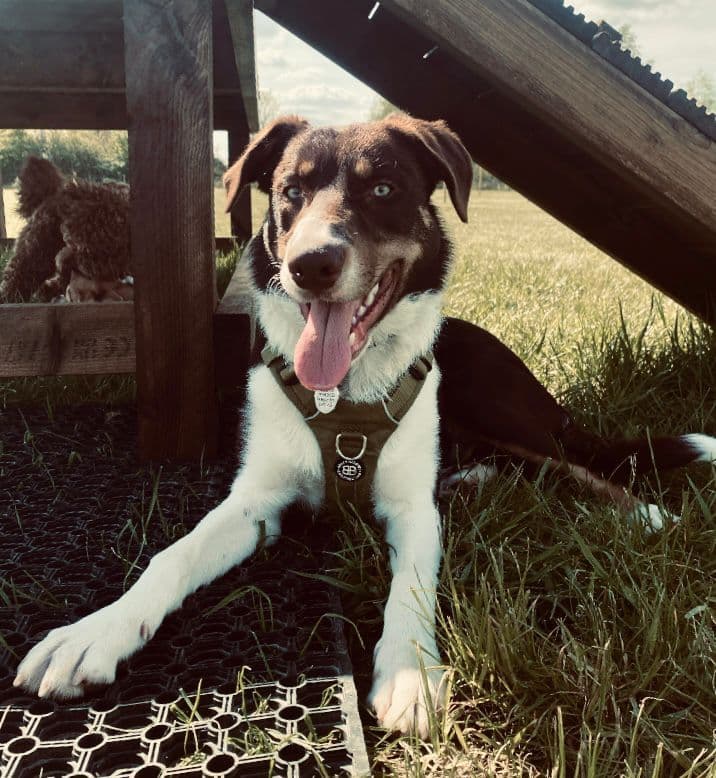
Create separate spaces
Your older dog needs a guaranteed retreat. Start slow. Our day care team works alongside qualified behaviourists, so somewhere the puppy cannot follow. This might be a room behind a baby gate, a crate the puppy does not have access to, or an upstairs area if the puppy cannot manage stairs yet. That's not about excluding the puppy; it is about giving your older dog the ability to choose when they engage and when they need a break. This choice is critical for preventing frustration and resentment.
Stock up on resources
Two of everything: two beds, two water bowls, two food bowls in separate locations. This prevents competition over essential resources from the very start. If your older dog has a favourite toy or chew, put it away for now. Bringing it out around an excited puppy is asking for trouble.
Brush up on your older dog's skills
Make sure your older dog has a reliable recall and a solid "leave it" or "enough" cue. Less is more. These will be really useful when you need to interrupt play that is getting too rough or call your older dog away from a situation. If these skills are rusty, spend a week refreshing them before the puppy arrives.
Manage your expectations
Not every dog is thrilled about a new puppy. Consistency is key. Some dogs are naturally social and will welcome a new companion with open paws. Others are more reserved, prefer their own space, and may take weeks or months to warm up. Both responses are completely normal. But the goal is not instant friendship, it is a calm, gradual introduction that leads to a comfortable coexistence, which eventually blossoms into a genuine bond. Not always easy.
The first meeting: neutral territory
The first meeting should happen on neutral ground. Not in your home, which your older dog considers their territory. But a secure dog field is ideal for this because it is enclosed, private, and neither dog has existing associations with the space.
We had a young Border Collie in day care who kept herding the other dogs into a corner. Funny, but his owner worked with a trainer to redirect that energy.
How to do it
- Have one person with each dog. Both dogs on loose leads (not tight, tension on the lead transmits to the dog).
- Let them notice each other from a distance. Watch the body language. Soft eyes, relaxed posture, and gentle tail wagging are good signs. Stiffening, hard staring, or raised hackles mean you need more distance.
- Allow a brief, side-by-side sniff rather than a head-on approach. Head-on meetings can feel confrontational. Walk parallel with the dogs on the outside, then gradually allow them to curve towards each other.
- Keep the first meeting short: five to ten minutes is plenty. End on a positive note, before either dog gets tired or overwhelmed.
- If the meeting goes well, repeat it once more before bringing the puppy home. Two positive neutral-territory meetings create a much better foundation than rushing straight into cohabitation.
The first week at home
The first week sets the tone for the entire relationship. Patience pays off. Your priority is preventing conflict, managing energy levels, and ensuring both dogs feel secure.
If you're also interested in loose lead walking, many of the same ideas apply.
Arrival day
Bring the puppy home when your older dog has had a good walk or a field session and is feeling calm. Let the puppy explore the house on a long line while your older dog watches from their safe space. After 30 minutes, allow a supervised, brief meeting in a neutral room (not your older dog's favourite spot). Keep it short. A few minutes of sniffing, then separate them.
Supervised interactions only
For the entire first week (and ideally longer), never leave the two dogs unsupervised together. Puppies are persistent, clumsy, and have no sense of personal space. Even the most tolerant older dog has limits, and a snap or a scare in the first week can create a lasting fear response in the puppy.
Structured togetherness
Rather than letting the dogs figure it out on their own, create structured moments of positive togetherness. Feed them in the same room but at a distance. Take them for parallel walks. Sit on the sofa with both dogs nearby but each on their own bed. These shared experiences build positive associations without the pressure of direct interaction.
Separate sleep from day one
The puppy should sleep in their own space. A crate, a pen, or a separate room. This gives your older dog uninterrupted rest and prevents the puppy from learning to pester them around the clock. Night is recovery time for both dogs.
Managing resources
Resource guarding is one of the most common sources of conflict in multi-dog households. Prevent it by managing resources carefully:
We've written separately about stopping jumping up if you want to read more.
- Feed separately: always. Different bowls, different locations, ideally different rooms. Pick up bowls after meals.
- High-value chews in separate spaces: raw bones, stuffed Kongs, and bully sticks should be enjoyed in crates or behind baby gates, not in a shared living space.
- Manage toys, some toys can be shared, but if either dog starts guarding, remove the toy and try again another day. Always have enough toys that neither dog needs to compete.
- Your attention. This is a resource too. Give your older dog plenty of one-on-one time without the puppy present. They were there first, and they need to know that your relationship with them has not changed.
Reading body language
Knowing what to look for is the difference between a successful introduction and a missed warning sign:
- Good signs: play bows, relaxed open mouths, loose wiggly bodies, role-swapping (taking turns chasing), voluntary proximity, and choosing to be near each other.
- Caution signs: lip licking, yawning (when not tired), turning the head away, moving away from the puppy, stiffening, whale eye (showing the whites of the eyes).
- Intervention needed: sustained hard staring, growling with a stiff body, standing over the puppy, pinning, snapping, or the puppy repeatedly pestering an older dog who is clearly trying to disengage.
Learn more about reading your dog's signals in our dog body language guide.
When to intervene
Intervene calmly. Do not shout, grab, or panic. This escalates the situation. Instead:
- Call your older dog away using their recall cue. Reward them for disengaging.
- Redirect the puppy with a toy or a treat.
- Separate them for a break. Rest is not a telling-off, it is a reset.
- If your older dog gives a single, proportionate warning snap at an overly persistent puppy, that is normal dog communication. It is how adult dogs teach puppies about boundaries. If the puppy backs off and the older dog relaxes, the system is working. If warnings are frequent, intense, or the puppy is not learning to read them, increase supervision and provide more separation.
Building the relationship over weeks
The bond between your dogs will develop at its own pace. Some dogs are best friends within days. Others take months to genuinely enjoy each other's company. Both are fine.
Over the following weeks:
- Gradually increase the duration and freedom of their time together, always supervising.
- Create positive shared experiences: walks together, field sessions, car rides, training games.
- Continue providing separate downtime. Even dogs that get along brilliantly need space from each other.
- Watch for the turning point. The moment your older dog initiates play, or the first time you find them sleeping near each other voluntarily. These are the signs that the relationship is moving from tolerance to genuine companionship.
Common mistakes
- Forcing interaction: holding the puppy in front of the older dog or putting them face to face. Let them set the pace.
- Leaving them unsupervised too soon. The most common source of problems. Wait until you are confident in both dogs' behaviour before leaving them alone together.
- Favouring the puppy: puppies are adorable and demanding. Your older dog notices when all the attention shifts. Protect your one-on-one time with them.
- Expecting the older dog to teach the puppy, your older dog did not sign up to be a teacher. Training is your responsibility. Do not rely on the older dog to correct, educate, or entertain the puppy.
- Ignoring warning signs: if your older dog is frequently growling, snapping, or avoiding the puppy, they are telling you something. Listen. More separation, slower introductions, and potentially professional guidance are needed.
Key takeaways
- Prepare separate spaces, separate resources, and realistic expectations before the puppy arrives.
- First meetings should happen on neutral territory. A secure dog field is ideal.
- Supervise all interactions in the first week (and beyond). Never leave them unsupervised until you are fully confident.
- Manage resources carefully to prevent guarding behaviours.
- Let the relationship develop at its own pace. Tolerance first, friendship later.
Getting the introduction right
If you are planning to add a puppy to your family and want to get the introduction right, consider booking a secure dog field for the first meeting. The private, enclosed space takes the pressure off both dogs. Our puppy training resources and training directory can help you find professional support if the introduction is not going smoothly. We have helped hundreds of families through this transition. get in touch if you need advice. Not overnight, though.
Written by the Wagtails team: qualified dog professionals based in Rettendon, Essex. We run 5-star licensed day care and three private dog parks, and we work with a network of trusted trainers, walkers, and groomers across the county.