Double Coat Care: Why You Should Never Shave a Husky (or Similar Breeds)
The shaving myth
Every summer, groomers across the UK receive the same request: "Can you shave my Husky? They must be so hot." It comes from a good place, owners see their thick-coated dog panting in the heat and assume removing the fur will help. It seems like simple logic: less fur equals a cooler dog. But that’s not quite the whole picture: shaving a double-coated dog can cause genuine harm that lasts months or even years.
Understanding why requires understanding what a double coat is, how it works, and why it exists. Once you know the science, you will never consider shaving again, and you will have the confidence to say no if anyone suggests it.
What is a double coat?
A double coat consists of two distinct layers of fur working together:
- Undercoat, the dense, soft, fluffy layer closest to the skin. This is the insulating layer. In winter, it traps warm air close to the body. In summer, it traps cool air and creates a barrier between the dog's skin and the outside temperature. Think of it like loft insulation. It works in both directions.
- Topcoat (guard hairs). The longer, coarser outer layer that you see and touch. Guard hairs can repel water, block UV radiation, protect against insect bites, and shield the skin from dirt and debris.
Together, these two layers create a remarkably effective system for regulating temperature, protecting the skin, and keeping the dog comfortable in a wide range of conditions. It is the product of thousands of years of evolution, finely tuned to the breed's original environment.
Breeds with double coats
Double-coated breeds are more common than many people realise:
You might also find our post on brushing your dog at home helpful.
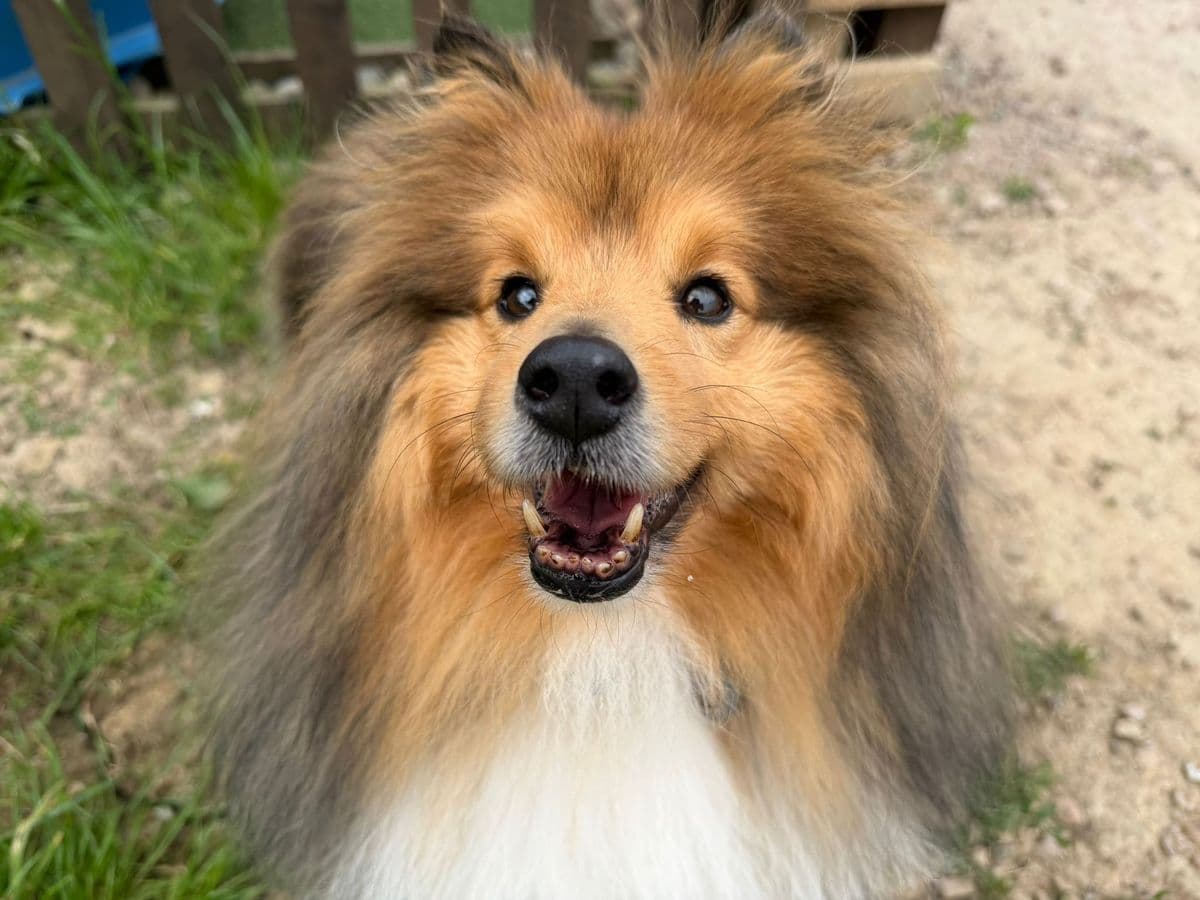
- Spitz breeds: Siberian Husky, Alaskan Malamute, Samoyed, Akita, Pomeranian, Finnish Lapphund, Shiba Inu
- Herding breeds: German Shepherd, Border Collie, Rough Collie, Shetland Sheepdog, Australian Shepherd, Corgi
- Retrievers: Labrador Retriever, Golden Retriever, Chesapeake Bay Retriever, Flat-Coated Retriever
- Other breeds: Bernese Mountain Dog, Newfoundland, Saint Bernard, Great Pyrenees, Beagle, Cavalier King Charles Spaniel
If you are unsure whether your dog has a double coat, a professional groomer can help you find out.
How the double coat regulates temperature
The double coat works as a year-round climate control system. In winter, the thick undercoat provides insulation: air trapped between the dense fibres retains body heat, keeping the dog warm even in freezing conditions. In summer, the same principle works in reverse. And the undercoat thins naturally (dogs "blow" their coat in spring), and the remaining layer creates an insulating air gap between the hot outside air and the dog's skin.
The guard hairs on top provide UV protection. Like a natural sunscreen. They block direct sunlight from reaching the skin, preventing sunburn and reducing heat absorption. A dog with a full, properly maintained double coat stays cooler in the sun than a shaved dog, because the coat is reflecting and insulating against the heat rather than letting it directly onto the skin.
Dogs do not cool down the way humans do. We sweat across our entire skin surface. Dogs can only sweat through their paw pads, their primary cooling mechanism is panting. Shaving the coat does not make them sweat more or pant less. It removes the insulating layer that was keeping the heat off their skin in the first place.
Why shaving is harmful
Shaving a double-coated dog causes multiple problems:
Sunburn and skin damage
Without guard hairs, UV radiation hits the skin directly. Dogs with shaved coats are at significantly higher risk of sunburn, especially on the back, nose, and ears. Chronic sun exposure increases the risk of skin cancer (squamous cell carcinoma and hemangiosarcoma).
Overheating, not cooling
Without the insulating undercoat and protective guard hairs, the dog's skin absorbs heat directly from the sun. Shaved dogs are actually hotter in summer than dogs with a full coat. The coat that looks hot to you is keeping them cool.
Coat damage and post-clipping alopecia
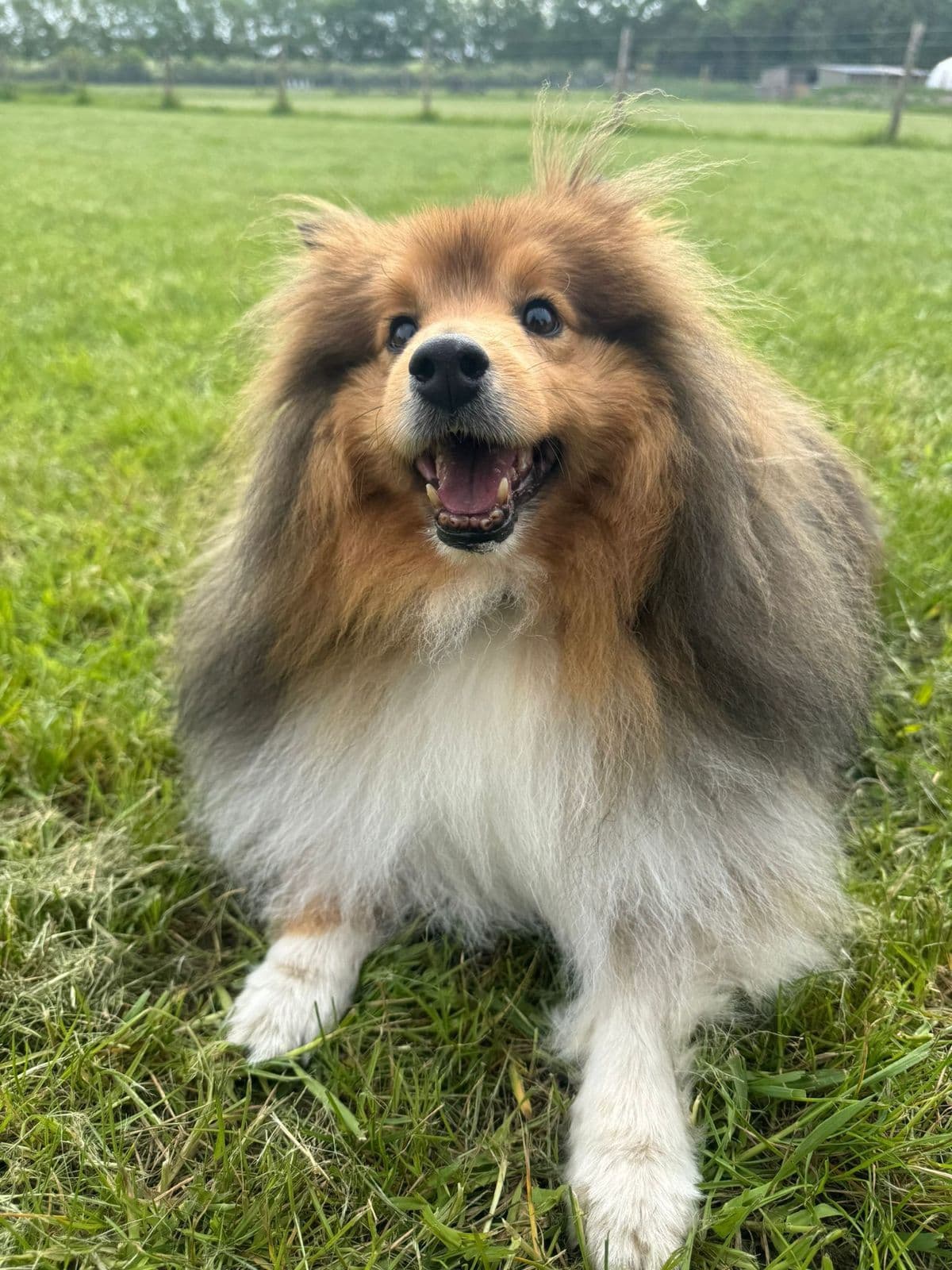
In practice, it's the most significant long-term risk. When a double coat is shaved, it often does not grow back the same way as before. The undercoat, which grows faster, can overtake the guard hairs, resulting in a patchy, dull, rough texture that is nothing like the original coat. In some dogs, the coat never fully recovers. A condition called post-clipping alopecia can sometimes occur, where the dog is left with a thin, sparse, uneven coat that provides poor protection for the rest of their life.
Increased parasite exposure
Guard hairs help protect against fleas, ticks, and biting insects. Without this barrier, parasites have easier access to the skin. In practice, it's particularly relevant during tick season. See our seasonal care calendar for month-by-month parasite guidance.
Skin irritation
Shaved skin is more vulnerable to grass allergens, dirt, and environmental irritants that the coat normally filters out. Dogs who have been shaved often develop skin irritation, hot spots, and contact allergies that they did not have before.
The proper grooming approach
The correct way to manage a double coat, keeping it healthy, reducing shedding, and helping your dog stay comfortable: is regular brushing and professional grooming, not shaving.
Regular brushing
Brushing is the foundation of double coat care. It removes loose undercoat, prevents matting, distributes natural oils, and allows air to circulate through the coat. How often depends on the breed and the season:
- During shedding season (spring and autumn): brush daily or every other day. This is when the old undercoat is being replaced and the volume of loose fur is huge!
- The rest of the year: two to three times per week for most double-coated breeds.
- Heavy-coated breeds (Huskies, Samoyeds, Malamutes): daily brushing year-round is ideal if you can manage it.
The right tools
- Undercoat rake. The most effective tool for removing loose undercoat without damaging the topcoat. Gently work through sections, following the direction of hair growth.
- Slicker brush: excellent for removing tangles and loose fur from the outer coat. Use gentle pressure to avoid scratching the skin.
- Wide-toothed comb: for checking that you have worked through all the undercoat, especially in dense areas (behind ears, rump, chest).
- De-shedding tools: products like the Furminator work well but must be used carefully. Over-use or pressing too hard can cut guard hairs and damage the topcoat. Use gently and not too frequently.
De-shedding techniques
When your double-coated dog is blowing their coat, the volume of fur seems impossible. Here is an effective de-shedding routine:
- Start with the undercoat rake, working in sections from the back of the dog forward
- Follow with a slicker brush to catch remaining loose fur in the outer coat
- Finish with a comb to check for any remaining tangles or dense areas
- Bathe after brushing (never before, water causes loose undercoat to mat)
- Blow dry on a cool setting if your dog tolerates it, this blows out remaining loose undercoat and helps dry them out.
During peak shedding, this routine might need repeating more often. It is time-consuming but essential. The fur you remove by brushing is fur that would otherwise end up on your furniture, clothes, and food.
Seasonal coat changes
Double-coated dogs go through two major coat changes each year:
- Spring shed. The thick winter undercoat is replaced by a thinner summer undercoat. This is the heavier shed and can last 2-4 weeks. Your house will look like a fur factory. This is normal.
- Autumn shed. The summer coat is replaced by the denser winter undercoat. Usually lighter than the spring shed but still significant.
As most of our dogs live indoors,they are exposed to artificial lighting and central heating, which may make them shed more consistently throughout the year rather than in distinct seasonal bursts. It's normal and just means brushing needs to be consistent year-round.
When to see a groomer
Professional grooming is an important part of double coat maintenance. A good groomer will:
- Perform a thorough de-shed using professional tools and a high-velocity dryer
- Bathe with appropriate shampoo and conditioner for double coats
- Trim around paws, ears, and sanitary areas for hygiene
- Check for skin issues, parasites, or matting you may have missed
- Tidy feathering and furnishings without compromising the coat structure
Most double-coated breeds benefit from professional grooming every 6-8 weeks, with more frequent visits during shedding season. Always tell your groomer that your dog has a double coat and must not be shaved. Reputable groomers already know this, but it never hurts to confirm. At Wagtails, grooming referrals are one of our most popular requests, and browse our grooming directory for professionals in Essex who specialise in double coat care.
Exceptions to the no-shaving rule
There are very limited circumstances where shaving may be necessary:
- Surgery: vets shave the surgical site for sterility and access. The coat will grow back.
- Severe matting: if the coat is so matted that it cannot be brushed out, shaving may be the kindest option. This is a welfare issue caused by neglect, not a grooming choice.
- Skin conditions, a vet may recommend shaving to treat or monitor a skin condition.
In every other case, the double coat should be maintained, not removed.
Key takeaways
- A double coat insulates against both heat and cold. Shaving removes this protection
- Shaved double coats often do not grow back correctly, sometimes permanently
- Shaved dogs are at higher risk of sunburn, overheating, skin cancer, and parasites
- Regular brushing (daily during shedding season) is the correct approach
- Use an undercoat rake, slicker brush, and comb. Not a Furminator alone
- Professional grooming every 6-8 weeks helps maintain the coat properly
- Always confirm with your groomer: no shaving
Give your double-coated dog the care they need
Proper coat care keeps your dog comfortable, healthy, and protected year-round. Small steps. If you need professional grooming support, browse our grooming directory for qualified professionals in Essex who understand double coat maintenance. For active double-coated breeds that need plenty of exercise, our dog fields and day care provide the physical and mental stimulation they need. Contact us for any advice.