Last reviewed: May 2026
Why regular brushing matters
Brushing your dog isn't just about keeping them looking nice. It's a fundamental part of their health care that many owners either skip entirely or do incorrectly. Regular brushing removes dead hair, distributes natural oils, prevents matting, stimulates blood flow to the skin, and gives you the chance to check for lumps, bumps, parasites, and skin irritation that you might otherwise miss.
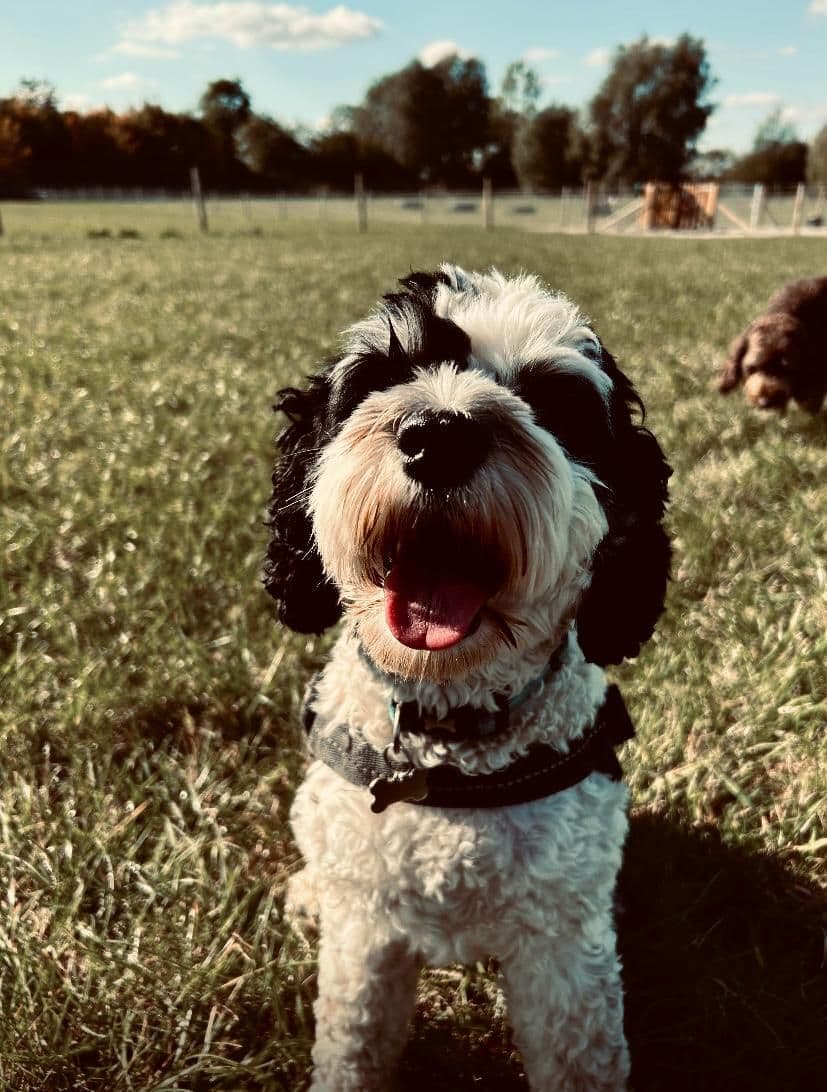
A dog that's brushed regularly at home is also a much happier dog at the groomer. And it adds up. Many of the problems groomers encounter: severe matting, skin sores hidden under tangles, extreme nervousness about being handled. Could be prevented with consistent at-home grooming between professional appointments. Think of it as dental hygiene: the groomer is the dentist, but you still need to brush the teeth at home.
Beyond the physical benefits, brushing is a bonding activity. Done correctly, it's a calm, enjoyable experience that strengthens the relationship between you and your dog. Many dogs actively seek out brushing once they've learned to associate it with gentle handling and positive attention. Not overnight, though.
Tools for every coat type
Using the wrong brush is one of the most common mistakes owners make. Our team always recommends a slicker brush that works perfectly on a Poodle will do almost nothing for a Labrador, and vice versa. Here's what you need for each coat type:
One of our customers switched groomers after finding a Wagtails-recommended one closer to home, and said the difference in how calm her Shih Tzu was afterwards was remarkable. Not overnight, though.
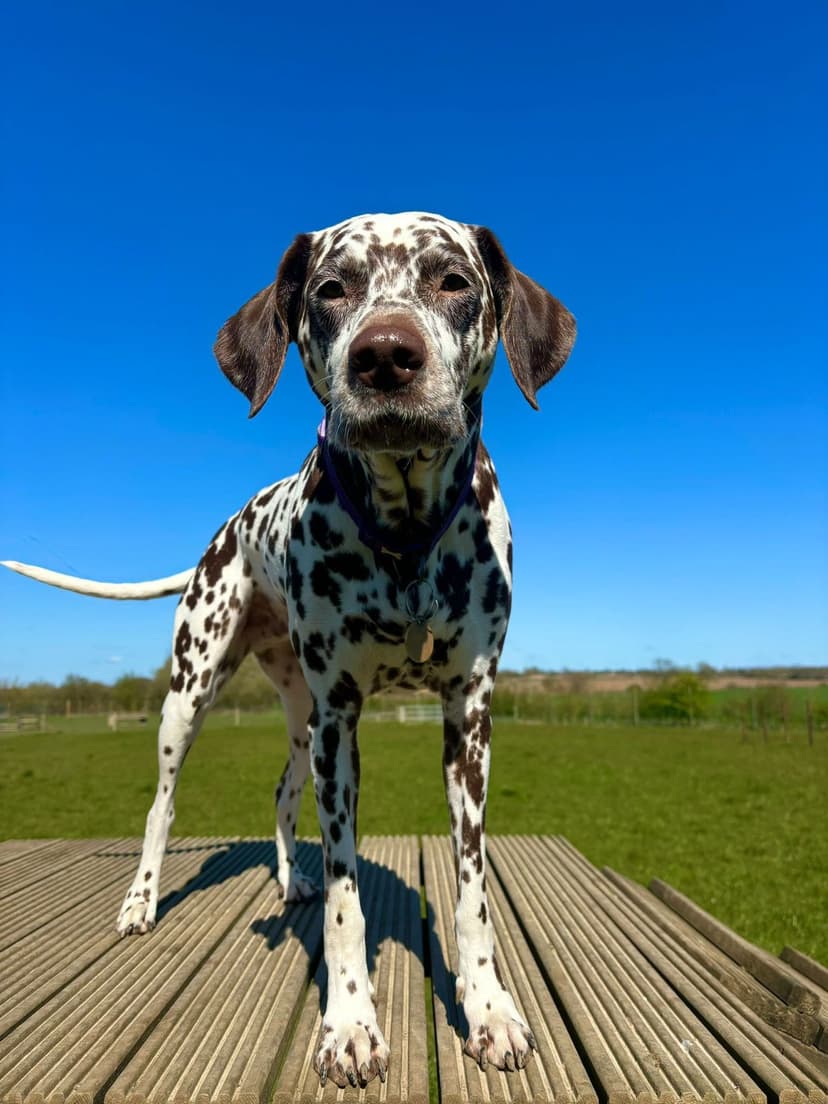
Smooth coats (Staffies, Boxers, Dachshunds, Dalmatians)
Smooth-coated dogs have short, close-lying fur that looks low-maintenance but still sheds. And dogs notice. Sometimes heavily. The right tools are:
- Rubber curry brush or grooming mitt. The primary tool; use in circular motions to loosen dead hair and stimulate the skin
- Bristle brush: follow up to smooth the coat and distribute oils
- Chamois cloth: optional; gives a lovely shine to the finished coat
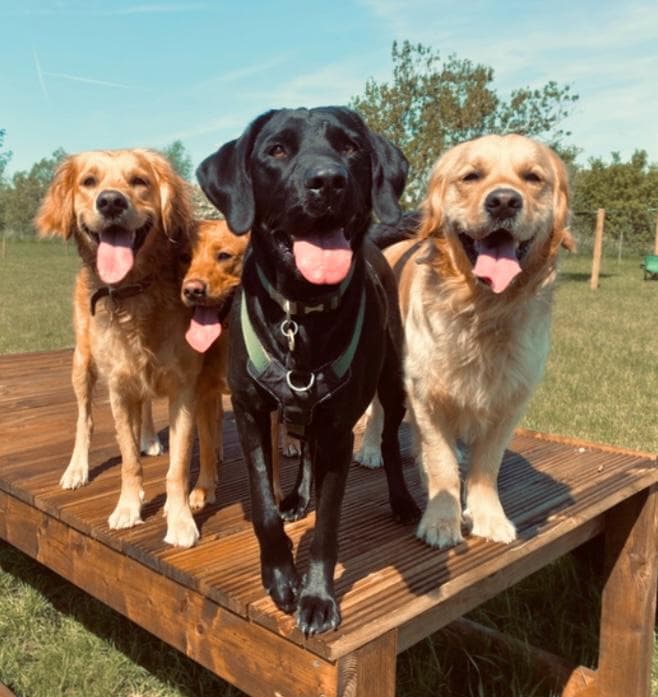
Double coats (Labradors, Golden Retrievers, Huskies, German Shepherds, Border Collies)
Double-coated breeds have a dense, insulating undercoat beneath a longer outer coat. And they shed year-round with two heavy seasonal blowouts. The right tools are:
- Undercoat rake. The essential tool; penetrates the topcoat to remove loose undercoat without damaging the outer hair
- Slicker brush: works through tangles and smooths the topcoat
- Wide-toothed comb: for checking the undercoat is fully cleared, particularly behind ears, on the chest, and around the hindquarters
Important: Never shave a double-coated breed. Their undercoat provides insulation from both cold and heat, and shaving damages the coat's ability to regulate temperature. A professional groomer will confirm this, any groomer who suggests shaving a double-coated dog should be avoided.
Wire coats (many Terriers, Schnauzers, Wire-haired Dachshunds)
Wire or rough-coated dogs have a coarse outer coat that needs specific care to maintain its texture:
- Slicker brush: works through the coat to remove tangles and dead hair
- Stripping knife or stripping stone: for hand-stripping to maintain coat texture (ask your groomer to show you the technique)
- Wide-toothed comb: for the furnishings (the longer hair on legs, face, and chest)
Wire coats are best maintained with hand-stripping rather than clipping. Clipping changes the coat texture permanently, making it softer and losing the characteristic wiry feel. If you're unsure, talk to your groomer about the right approach for your breed.
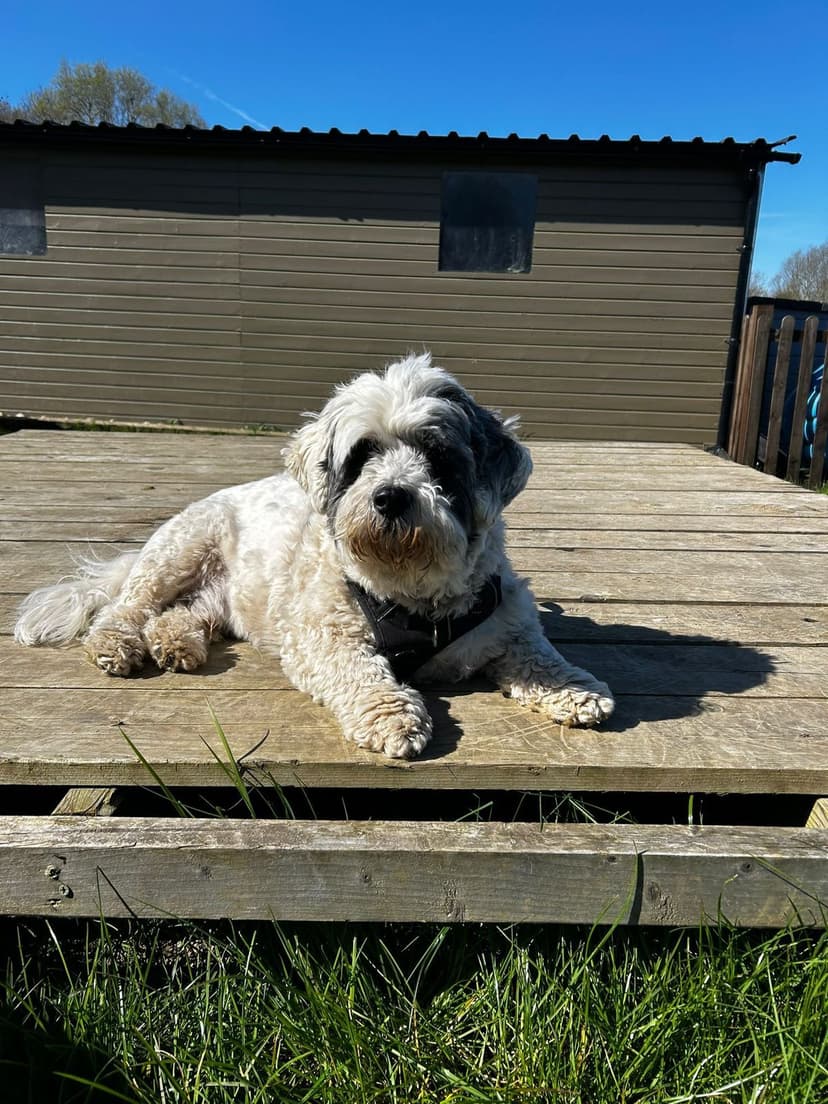
Curly and wool coats (Poodles, Bichon Frises, Cockapoos, Labradoodles)
Curly-coated dogs are often marketed as "non-shedding" or "hypoallergenic." While they do shed less, their hair grows continuously and tangles incredibly easily. These coats need the most attention at home:
- Slicker brush, the primary tool; use daily on high-tangle areas (behind ears, armpits, groin, collar area)
- Metal comb: essential for checking your work; if the comb glides through, you've brushed thoroughly; if it catches, there are tangles remaining
- Dematting comb or mat splitter: for gently working through small tangles before they become solid mats
Curly coats need daily brushing, or at minimum every other day. Left for a week, tangles form. Left for two weeks, those tangles become mats. Left for a month, the only option is often a full shave. That's the single biggest issue groomers deal with, and it's entirely preventable with consistent home brushing.
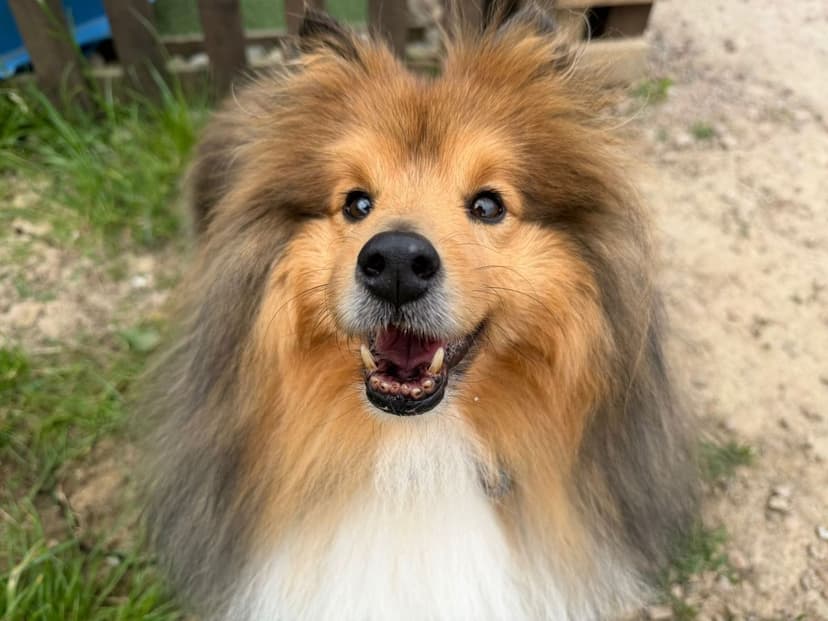
Long coats (Yorkshire Terriers, Shih Tzus, Cavalier King Charles Spaniels, Afghan Hounds)
Long-coated breeds need regular attention to prevent tangles, especially in areas where friction occurs:
- Pin brush: gentle on long hair; works through the coat without breaking it
- Slicker brush: for working through tangles, particularly on the chest, behind the ears, and on the legs
- Wide-toothed comb: for finishing and checking for remaining tangles
- Detangling spray: helps the brush glide through and reduces breakage
Technique matters: how to brush properly
Having the right tools is only half the battle. Trust takes time. Our grooming partners regularly tell us that poor technique can cause discomfort, skin irritation, and even injury. Here's how to brush effectively and safely:
You might also find our post on a puppy's first groom helpful.
Line brushing
The most effective technique for medium to long coats is line brushing. Part the coat in sections and brush from the skin outward, working methodically across the body. It keeps you're brushing all the way through the coat, not just skimming the surface. Many owners think they're brushing thoroughly but are only touching the top layer, leaving tangles and dead hair packed against the skin.
Direction of brushing
For most coat types, brush in the direction of hair growth first, then gently against the grain to loosen dead undercoat, then finish with the grain again to smooth. On sensitive areas (belly, armpits, groin), always brush gently and with the grain only.
Pressure
Use firm enough pressure to move through the coat but not so much that you're scratching or dragging against the skin. If your dog flinches, winces, or moves away, you're pressing too hard. The brush should do the work: you're guiding it, not forcing it.
Problem areas
Mats form most commonly behind the ears, under the collar, in the armpits, around the groin, and on the backs of the legs. These are areas where friction and moisture create tangles. Give them extra attention every session. Checking these spots takes 30 seconds and can prevent major matting.
How often should you brush?
This depends entirely on coat type:
Our guide to what to look for in a groomer covers some related ground.
- Smooth coats: once or twice a week is sufficient
- Double coats: two to three times a week; daily during seasonal shedding
- Wire coats: two to three times a week
- Curly and wool coats: daily, or at absolute minimum every other day
- Long coats: daily for full-length coats; every other day for trimmed coats
If brushing feels like a chore, try building it into your daily routine. 5 to 10 minutes after the evening walk, or while watching television. Short, frequent sessions are more effective and less stressful (for both of you) than one marathon session when things have already got tangled.
Making brushing enjoyable
If your dog runs away when the brush comes out, something needs to change. Brushing should be a positive experience. Here's how to build that association:
- Start slowly: if your dog is nervous, begin with just a few gentle strokes and reward with treats
- Use treats throughout. A lick mat smeared with peanut butter or cream cheese gives your dog something positive to focus on during the session
- Choose a calm time: after a walk or play session, when your dog is naturally tired and relaxed
- Don't force it: if your dog is genuinely distressed, stop and try again later; forcing the issue creates a negative association that gets harder to undo
- Keep sessions short: 5 minutes of comfortable brushing is better than 20 minutes of stress
- Be gentle around sensitive areas: belly, groin, paws, and face need a lighter touch
Puppies should be introduced to brushing from day one. Even if they don't need it yet, gentle handling with a soft brush builds a positive association that will make grooming easy for the rest of their lives. Our puppy day care includes gentle handling exercises that prepare puppies for grooming.
When to see a professional groomer
Home brushing is essential between appointments, but it doesn't replace professional grooming. A qualified groomer has the tools, training, and experience to provide services that are difficult or impossible at home:
- Thorough dematting of problem areas
- Breed-appropriate trimming and styling
- Nail clipping and grinding
- Ear cleaning and checking
- Anal gland expression if needed
- Professional-grade bathing and drying
- Hand-stripping for wire coats
Most dogs benefit from professional grooming every 6 to 8 weeks, though curly-coated breeds may need it every 4 to 6 weeks. Small steps. Your groomer can advise on the right schedule for your dog and show you exactly how to maintain the coat between visits.
Key takeaways
- Use the right tools for your coat type. The wrong brush wastes time and causes discomfort
- Brush all the way through the coat: skimming the surface misses tangles forming underneath
- Check problem areas every session: behind ears, armpits, groin, and under the collar
- Curly coats need daily attention: two weeks of neglect can mean a full shave at the groomer
- Make it positive: treats, calm timing, and short sessions build a good association
- Home brushing complements professional grooming, it doesn't replace it
Regular brushing at home makes every grooming appointment easier, faster, and more comfortable for your dog. That matters. If you're not sure which tools or technique is right for your dog's coat, ask your groomer. They'll be happy to show you. And if you need help finding a qualified groomer in Essex, get in touch with our team.
Written by the Wagtails team: qualified dog professionals based in Rettendon, Essex. We run 5-star licensed day care and three private dog parks, and we work with a network of trusted trainers, walkers, and groomers across the county.