Last reviewed: May 2026
Winter walks need a bit more planning
Dogs love winter. But the crisp air, the new smells, the chance to bound through frost-covered grass. For most dogs, cold weather makes walks more exciting, not less. But winter also brings specific risks that responsible owners need to manage. From icy pavements to toxic antifreeze, a few simple precautions keep your dog safe and comfortable throughout the colder months.
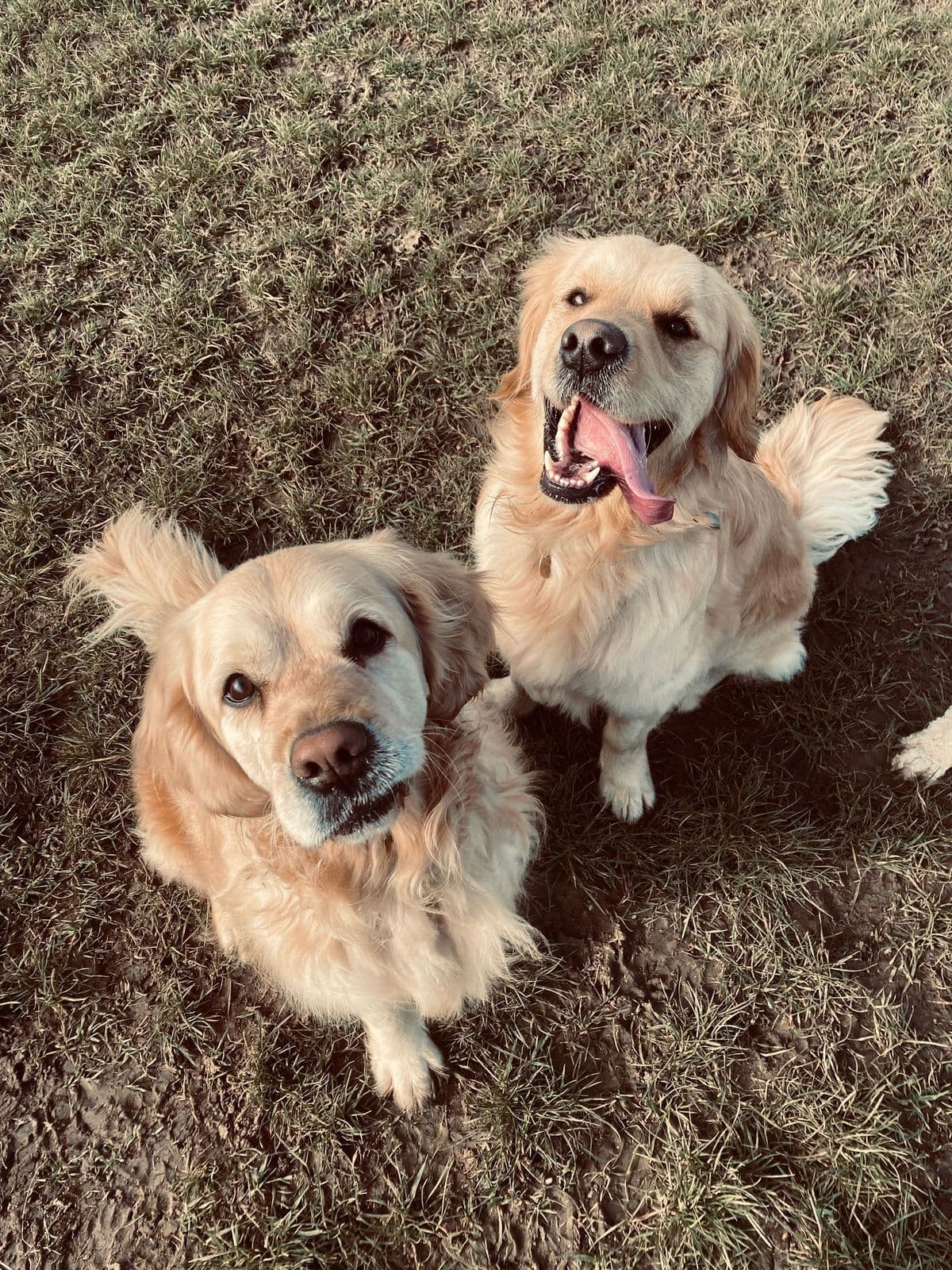
The good news is that most dogs are perfectly happy walking in cold weather. That matters. But they have fur coats, after all. But not all dogs cope equally well with the cold, and even the hardiest breeds can run into trouble if conditions are severe or owners aren't prepared. This guide covers everything you need to know to keep winter walks safe and enjoyable.
Temperature guidelines: when is it too cold?
There's no universal temperature at which walking becomes dangerous, it depends on your dog's breed, size, coat type, age, and health. As a general guide:
We know a local walker who carries a separate lead and harness for every dog. Sounds excessive, but it means every dog walks comfortably.
- Above 7°C: comfortable for all dogs
- 1°C to 7°C: comfortable for most dogs; small, thin-coated, very young, or very old dogs may need a coat
- -1°C to 1°C: short-coated, small, and senior dogs are at risk; limit time outdoors and consider a coat
- Below -4°C: risk for all dogs; keep walks short, watch for signs of discomfort
Wind chill makes a big difference. And a still 3°C day feels very different from a windy 3°C day. If the wind is cutting, err on the side of a shorter walk, particularly for smaller dogs and those with thin coats.
Breed considerations
Not all dogs experience cold weather the same way. Understanding your dog's breed-specific tolerance helps you make smart decisions about winter walks:
You might also find our post on how much exercise your dog needs helpful.
Cold-hardy breeds
Huskies, Malamutes, Bernese Mountain Dogs, Newfoundlands, Samoyeds, and other breeds with thick double coats are built for cold weather. These dogs often prefer winter and may struggle more with summer heat than winter cold. They can handle extended walks in cold conditions, though even they have limits in extreme weather.
Cold-sensitive breeds
Greyhounds, Whippets, Italian Greyhounds, Chihuahuas, Dachshunds, and other small or thin-coated breeds feel the cold quickly. Start slow. These dogs benefit from a well-fitted coat on winter walks and shorter time outdoors when temperatures drop significantly. Flat-faced breeds like Pugs and French Bulldogs also struggle in cold weather because their shortened airways make temperature regulation harder.
Puppies and seniors
Very young and very old dogs are more vulnerable to cold. Puppies haven't developed full temperature regulation yet, and senior dogs often have thinner coats, less body fat, and conditions like arthritis that are worsened by cold weather. Keep walks shorter and watch closely for signs of discomfort.
Paw care: the most overlooked winter risk
Your dog's paws are in direct contact with freezing ground, and winter brings some specific hazards that many owners don't think about:
For a related read, have a look at our piece on adventure walks vs regular walks.
Rock salt and grit
The salt and grit spread on roads and pavements in winter is irritating and potentially toxic to dogs. Consistency is key. We know from our own experience on Essex walks that it can cause dryness, cracking, and chemical burns on paw pads. Dogs may also ingest it when licking their paws after a walk, which can cause vomiting, diarrhoea, and in severe cases, salt toxicity.
After every winter walk on gritted surfaces, rinse your dog's paws with warm water and dry them thoroughly. Check between the toes for trapped salt crystals. Applying a pet-safe paw balm before walks creates a protective barrier, and wiping paws down immediately after returning home prevents your dog from licking harmful chemicals.
Ice and snow
Ice balls can form between the toes of long-haired breeds, causing discomfort and even cutting into the skin. Trimming the fur between your dog's toes before winter reduces this risk. Ice on the ground also creates a slip hazard. Older dogs and those with joint problems are particularly vulnerable to slipping injuries. Without fail.
Snow itself is generally safe, but avoid letting your dog eat large amounts. It can cause stomach upset and rapid cooling. Also be cautious around frozen ponds, rivers, and lakes. Dogs fall through thin ice every winter, and the results can be fatal. Keep your dog on a lead near any frozen water, no matter how solid it looks.
Visibility: being seen in the dark
Winter means shorter days, and many dog walks happen in the dark. Visibility is a genuine safety concern. Not just from traffic, but from cyclists, joggers, and other walkers who might not see you until they're very close.
- Use a reflective or LED collar and lead
- Wear reflective clothing yourself
- Attach a clip-on LED light to your dog's collar or harness
- Stick to well-lit paths where possible
- Keep your dog on a lead near roads. A driver won't see a dark-coloured dog on a dark evening
Our secure dog fields are a great winter option for this reason. Our team always recommends fully enclosed and private, you can exercise your dog safely without worrying about traffic or visibility. Several of our fields are available for evening bookings during the winter months.
Coat care during winter
Winter weather can play havoc with your dog's coat. Wet, cold conditions combined with central heating at home can cause dryness, matting, and irritation. Regular grooming is more important in winter, not less:
- Dry your dog thoroughly after wet walks, pay special attention to ears, belly, and between toes
- Brush regularly to remove tangles and debris from muddy walks
- Don't shave double-coated breeds in winter, their undercoat provides essential insulation
- Consider a professional groom to keep the coat in good condition through the season: our grooming directory can help you find a local groomer
If your dog wears a coat on winter walks, make sure it fits properly. A coat that rubs, restricts movement, or gets wet and stays wet does more harm than good. Invest in a well-fitting, waterproof coat and wash it regularly.
Mud and wet weather management
Winter in Essex means mud. Lots of it. Muddy walks are part of the season's charm, but they bring practical challenges that are worth addressing. Wet, muddy conditions increase the risk of skin irritation, particularly in the folds between toes and around the belly. Dogs that spend extended time in wet conditions without being dried properly can develop fungal infections, hot spots, and general skin discomfort.
After a muddy walk, rinse your dog's legs and belly with warm water before they come inside. A microfibre towel is your best friend. They absorb far more water than a regular towel and dry the coat more quickly. If you have a long-coated breed, a blow dry on a low setting helps prevent the damp, musty smell that develops when thick coats stay wet for too long. For dogs that particularly love mud, a regular grooming appointment through winter keeps their coat manageable and their skin healthy.
The antifreeze danger
Antifreeze (ethylene glycol) is one of the most dangerous substances your dog can encounter in winter. It tastes sweet to dogs, so they're attracted to it, but even a small amount can cause kidney failure and death. Antifreeze is found in car radiator coolant, screen wash, and de-icing products.
During winter, look out for brightly coloured puddles in car parks, driveways, and roadsides. Keep your dog away from any suspicious liquid on the ground. If you suspect your dog has ingested antifreeze, get to a vet immediately. Treatment is only effective if given within the first few hours.
At home, store antifreeze products securely and clean up any spills immediately. Use a pet-safe de-icer for your own driveway and paths.
Exercise adjustments for cold weather
Winter doesn't mean cutting exercise drastically, but it does mean adjusting your approach:
- Shorter, more frequent walks: two 30-minute walks may be better than one 60-minute walk in very cold weather
- Keep moving: standing still in the cold is worse than walking; keep a steady pace
- Warm up gradually: don't go from a warm house straight into intense exercise; start with a gentle walk before any running or playing
- Watch for signs of cold stress: shivering, whining, lifting paws, slowing down, or trying to turn for home
- Dry off properly. A wet dog in a cold house loses body heat rapidly; towel dry thoroughly after every walk
Indoor alternatives for the worst days
On days when conditions are genuinely too severe for a proper walk, there are plenty of ways to keep your dog stimulated indoors:
- Scatter feeding and food puzzles
- Training sessions, learning new skills is mentally exhausting
- Hide and seek with treats or toys
- Tug games and gentle indoor play
- A quick garden trip for toileting, then back inside for enrichment
Day care is another excellent winter option. Our day care facility is warm, dry, and full of activities, your dog gets a full day of exercise and stimulation without you having to brave the worst of the weather. Every single time.
Key takeaways
- Most dogs love winter walks, but some breeds, puppies, and seniors need extra protection
- Rinse paws after every walk: road salt and grit are irritating and potentially toxic
- Be visible: reflective gear and LED lights are essential for dark walks
- Antifreeze is deadly: keep dogs away from brightly coloured puddles and clean up spills at home
- Adjust exercise, don't eliminate it: shorter walks, indoor enrichment, and day care keep dogs active through winter
- Dry thoroughly. A wet dog in a cold house is an uncomfortable and vulnerable dog
Winter walking doesn't have to be a chore for you or your dog. With a bit of preparation, it's one of the most enjoyable times of year to be outdoors together. If you need help keeping your dog exercised during the darker months, our dog walkers and day care team are here all year round. Get in touch to find out more.
Written by the Wagtails team: qualified dog professionals based in Rettendon, Essex. We run 5-star licensed day care and three private dog parks, and we work with a network of trusted trainers, walkers, and groomers across the county.