Last reviewed: May 2026
Day care is brilliant, but it's not for every dog
We love what we do at Wagtails Day Care, and we see the incredible difference it makes to dogs and their owners every single day. Less is more. But we'd be doing you a disservice if we pretended it was right for everyone. Some dogs absolutely thrive in a day care environment. Others find it stressful, overwhelming, or just not their thing. And that's completely fine.
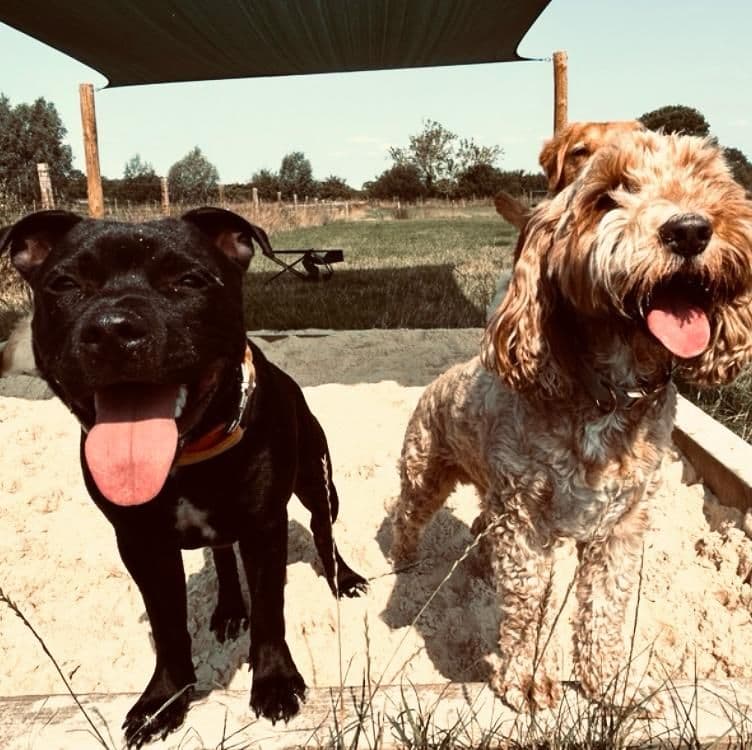
The key is knowing which category your dog falls into before you commit. Here's how to tell.
Signs your dog IS ready for day care
They enjoy meeting other dogs
In practice, it's the big one. Day care is, at its core, a social environment. But your dog will be spending time around other dogs: playing, resting, sharing space. If your dog lights up when they see other dogs on walks, plays well at the park, and generally enjoys canine company, that's a strong sign they'd enjoy day care.
We once had a Husky who refused to come inside from the garden. Every. Single. Day. And the staff just learned to schedule him last.
Note: your dog doesn't need to be a social butterfly. Plenty of successful day care dogs are calm and slightly reserved. But they don't need to play with every dog they meet. They just need to be comfortable in the presence of other dogs without becoming stressed or reactive.
They can handle a bit of excitement without losing their mind
Day care has exciting moments. New dogs arriving, outdoor play starting, treats appearing. If your dog can experience excitement without becoming completely uncontrollable, they're in a good position. A dog that gets excited but can settle again within a reasonable time will do well. A dog that hits peak excitement and stays there for hours without coming down is going to find day care exhausting and overstimulating.
They're comfortable being away from you
This might seem obvious, but it's worth checking honestly. We've had customers tell us that does your dog cope when you leave the house? Can they be left with a friend or family member without significant distress? If your dog has mild separation preferences but generally copes, day care can actually help, the company of other dogs and staff provides distraction and comfort.
If your dog has severe separation anxiety, however, day care alone isn't the answer. You might need to work with a behaviourist alongside day care to address the underlying anxiety.
They've got basic manners
We're not talking about performing tricks on command. We mean the everyday basics: can they walk on a lead without dragging you across the car park? Do they respond to their name most of the time? Can they settle when asked, even if it takes a minute? These basics make the day care experience smoother and safer for everyone.
They're physically healthy and up to date on vaccinations
Day care requires dogs to be fully vaccinated and in good physical health. We'll cover vaccination requirements in detail separately, but the basics include DHP (distemper, hepatitis, parvovirus), leptospirosis, and kennel cough. Your dog also needs to be free from parasites, in reasonable physical condition, and not suffering from any contagious illness.
Age considerations
Puppies
Puppies can start day care once they're fully vaccinated. Typically from around 12-16 weeks, depending on their vaccination schedule. Early socialisation is incredibly valuable, and puppy day care provides controlled, positive experiences with other dogs during that critical socialisation window.
For a related read, have a look at our piece on what happens at day care.
However, very young puppies need more sleep and shorter activity periods. A good day care will adapt the programme for puppies, with additional rest time and gentler activities. If a facility throws your 14-week-old puppy in with adult dogs for a full day, walk away.
Adult dogs
Most adult dogs between 1 and 7 years are ideal day care candidates, provided they meet the temperament criteria above. Dogs in this age range generally have enough social experience, physical stamina, and emotional maturity to handle the day care environment.
If your adult dog has never been to day care before, don't worry. Most dogs adapt well with a proper introduction, which is exactly what trial days are for.
Senior dogs
Older dogs can absolutely enjoy day care, but their needs are different. They may need more rest, gentler activities, and a calmer group. Many senior dogs benefit hugely from the mental stimulation and gentle company that day care provides, even if they're not doing zoomies in the garden anymore.
If your senior dog has mobility issues, arthritis, or sensory decline, have an honest conversation with the day care team about what adjustments can be made.
Signs your dog might NOT be ready
They're genuinely fearful of other dogs
There's a big difference between a dog who's a bit unsure and one who's genuinely frightened. A slightly uncertain dog often blossoms at day care once they realise other dogs are friendly. A genuinely fearful dog, one who cowers, trembles, tries to hide, or snaps defensively when other dogs approach: needs help before day care is appropriate. Not always easy.
Our guide to whether day care is worth it covers some related ground.
If your dog falls into this category, consider working with a qualified behaviourist first. It works. Private enclosed field sessions can also help build confidence in a controlled environment before progressing to group settings.
They have a history of aggression
We need to be straightforward about this. If your dog has bitten another dog or shown genuine aggression (not just grumbling or warning signals, which are normal canine communication), day care isn't safe. For your dog or for others. This doesn't mean your dog is bad. It means they need professional behavioural support before a group environment is appropriate.
They can't cope with any level of frustration
Day care involves waiting. Waiting for treats, waiting for outdoor time, waiting while another group has their turn. If your dog becomes extremely distressed when they can't immediately get what they want (barrier frustration, intense vocalising, destructive behaviour), they may find the structure of day care very difficult. Every single time.
They have unmanaged resource guarding
If your dog guards food, toys, beds, or people, day care is a high-risk environment. Trust takes time. Other dogs will naturally approach shared resources, and a guarding dog may react aggressively. Resource guarding is treatable, but it needs to be addressed with a professional before day care.
They're recovering from illness or surgery
This one's temporary, but it's worth mentioning. A dog recovering from an operation, illness, or injury needs rest. Not the stimulation of day care. Wait until your vet gives the all-clear before restarting.
How to test readiness
If you're unsure whether your dog is ready, here are some practical steps:
- Arrange a play date: invite a friend's calm, well-socialised dog to your home or a secure field. Watch how your dog interacts. Do they play nicely? Share space? Show appropriate body language?
- Visit a calm dog-friendly space: take your dog to a quiet cafe, a friend's house, or a pet shop. Can they settle in a new environment?
- Practice short separations: leave your dog with a trusted friend for an hour. How do they cope?
- Book a trial day. This is the most reliable test. A good day care will properly assess your dog during the trial, watch for stress signals, and give you honest feedback afterwards
The role of breed and background
Breed and background can influence readiness, though they're never the whole story. Patience pays off. Some breeds are naturally more sociable and adaptable, many Labradors, Golden Retrievers, and Spaniels take to day care like they were born for it. Other breeds tend towards independence or sensitivity. Some sighthounds, for instance, prefer calm environments and can find busy group play overwhelming.
But breed is just a starting point. Individual personality matters far more. We've had shy Labradors who needed weeks to settle and confident Whippets who loved every second from day one. Don't assume your dog will or won't suit day care based on breed alone.
Background also plays a role. Rescue dogs with unknown histories may have gaps in socialisation or past negative experiences. This doesn't mean they can't do day care: many rescues thrive, but it does mean the introduction should be slower and more carefully managed. Be upfront with the day care team about your dog's history, even if you don't know the full picture. Any information helps.
What if your dog isn't ready yet?
Don't panic, and don't feel like you've failed. Many dogs just need a bit more preparation. Here's what you can do:
- Work on socialisation gradually. Short, positive encounters with calm dogs
- Build independence at home. Practice leaving your dog for short periods with enrichment
- Address specific behavioural challenges with a professional trainer
- Consider dog walking as a stepping stone, a small group walk is less intense than a full day of day care
- Use enclosed dog fields for safe off-lead practice and confidence building
Remember that readiness isn't fixed. Watch closely. A dog that isn't ready today might be ready in three months with the right support. And a dog that starts day care successfully might need a break during a stressful life change. A house move, a new baby, the loss of another pet. Be willing to reassess as circumstances change.
Key takeaways
- Good day care candidates enjoy canine company, can handle excitement, cope with separation, and have basic manners
- Age isn't a barrier, puppies, adults, and seniors can all benefit, with appropriate adjustments
- Dogs that are genuinely fearful, aggressive, or have unmanaged resource guarding need professional help before day care
- A trial day is the most reliable way to assess readiness
- If your dog isn't ready now, that doesn't mean they never will be: preparation and gradual exposure can make a huge difference
Book a trial and find out
The best way to know if your dog is ready is to try. We've been running licensed day care in Rettendon for years now, and at Wagtails, every new dog starts with a trial day. We assess temperament, social skills, and comfort level, and we give you completely honest feedback. If your dog loves it, brilliant. If they don't, we'll suggest alternatives. Get in touch to book your dog's trial day.
Written by the Wagtails team: qualified dog professionals based in Rettendon, Essex. We run 5-star licensed day care and three private dog parks, and we work with a network of trusted trainers, walkers, and groomers across the county.