Last reviewed: May 2026
Getting older doesn't mean staying home
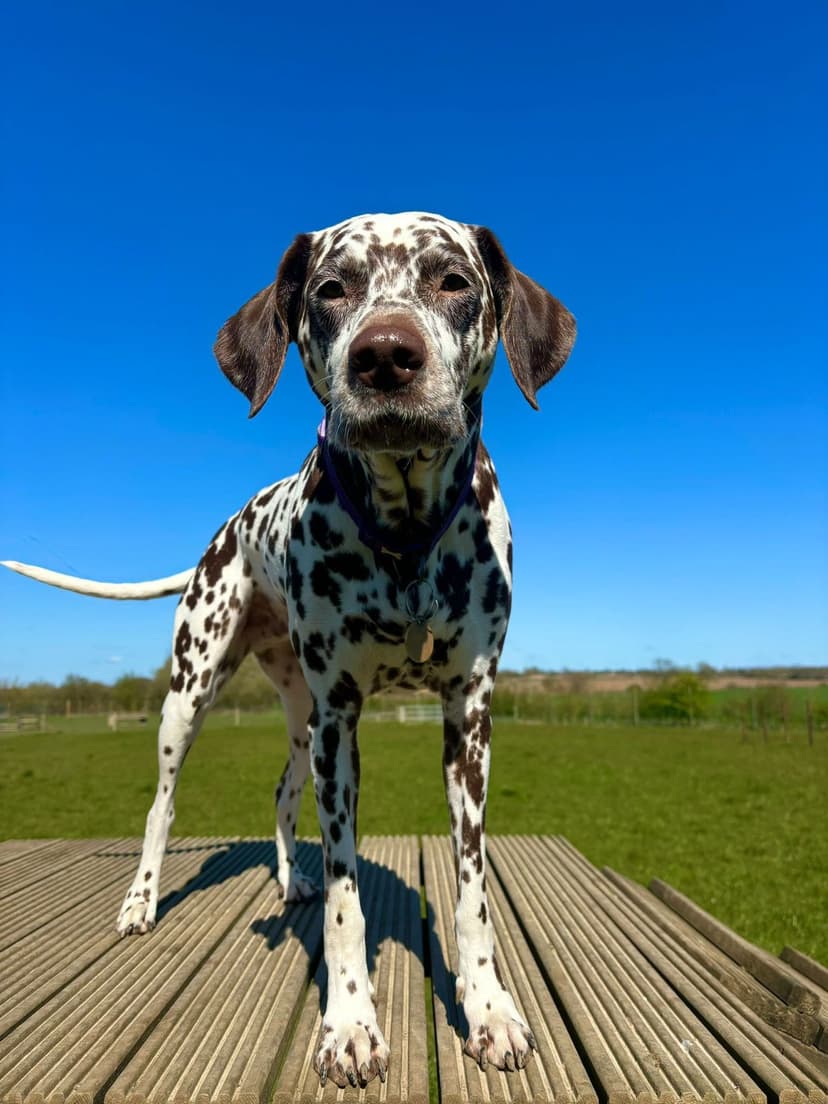
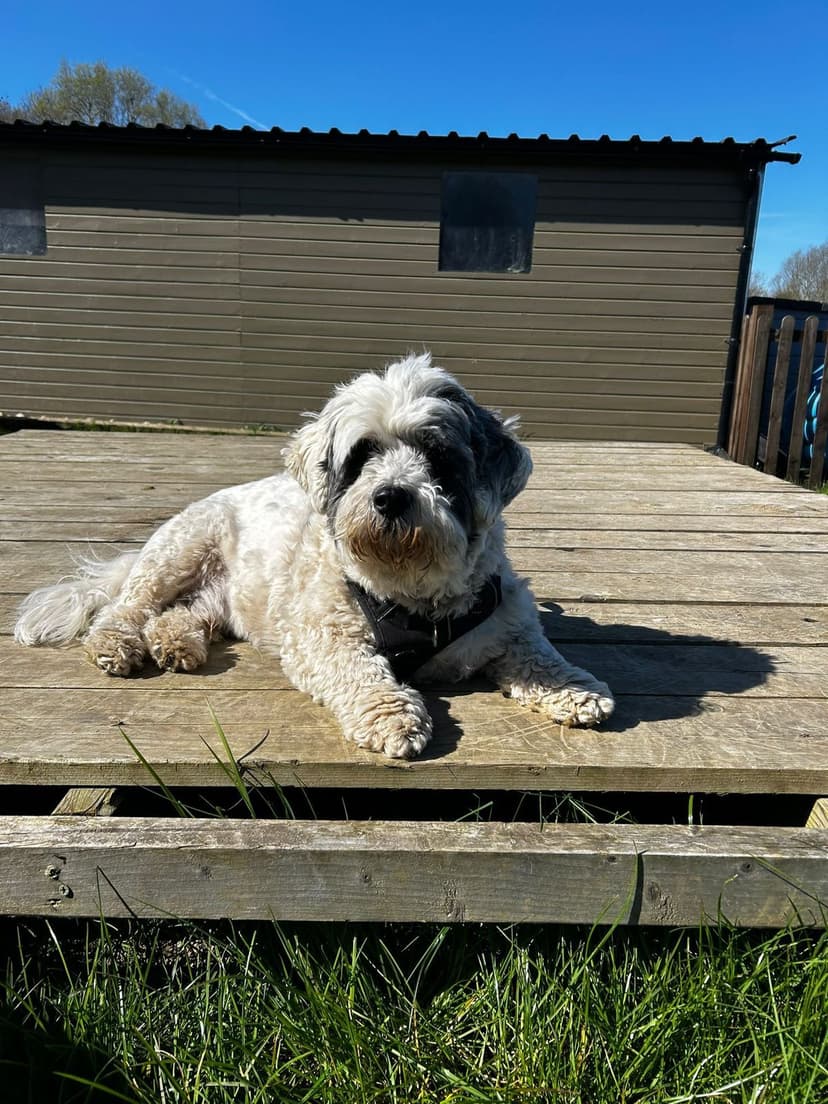
There's a common assumption that day care is only for young, energetic dogs. But the bouncy ones that need to burn off steam. But some of the happiest, most settled day care dogs we look after at Wagtails are seniors. Dogs aged seven, eight, ten, even twelve who light up when they arrive because day care gives them something that staying home can't: purpose, company, and gentle stimulation.
Ageing changes what a dog needs, but it doesn't eliminate their needs. Small steps. In fact, the risk of under-stimulation and social isolation actually increases as dogs get older, especially if they can't exercise as intensely as they used to. Day care, adapted properly, addresses exactly that.
Why older dogs benefit from day care
Mental stimulation fights cognitive decline
Canine cognitive dysfunction, the dog equivalent of dementia: is increasingly common in senior dogs. Symptoms include disorientation, changes in sleep patterns, forgetting familiar routes or people, and reduced interest in activities. One of the most effective ways to slow cognitive decline is to keep the brain active. Not always easy.
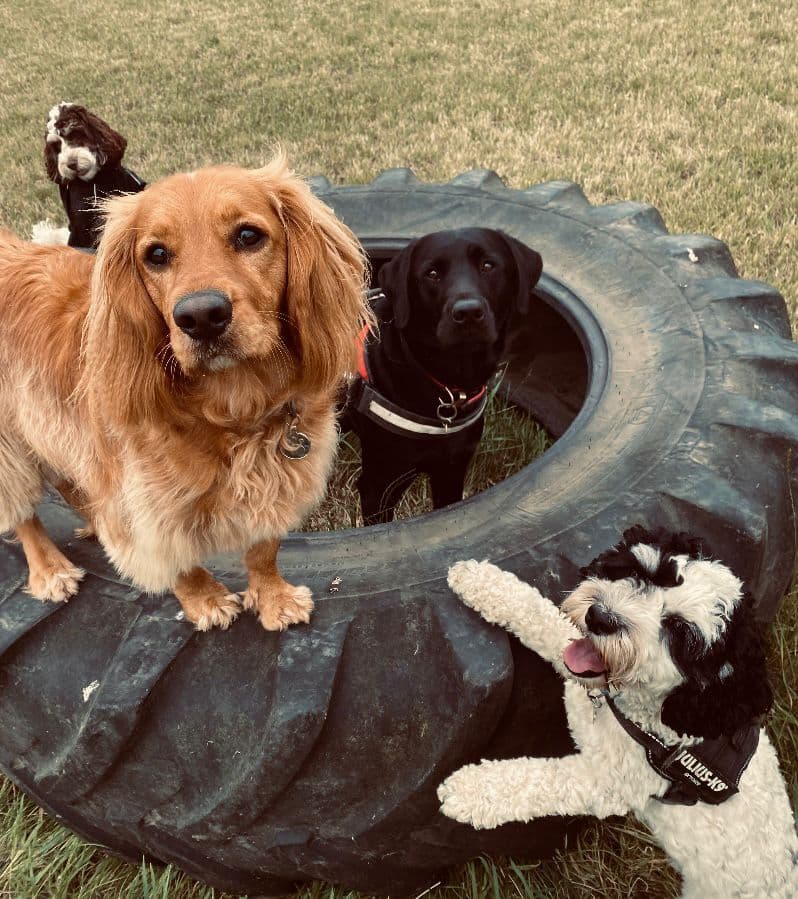
One of our day care regulars, a young Labrador, was so nervous on his first day he hid under a bench. Within a week he was leading the pack around the yard.
Day care provides constant gentle stimulation: new scents to investigate, enrichment activities to solve, social interactions to navigate, and environmental changes to process. This mental workout helps keep neural pathways active and engaged. It's not a cure, but research consistently shows that mentally stimulated dogs maintain cognitive function longer than those left unstimulated.
Gentle social contact prevents isolation
As dogs age, their social world often shrinks. We see this every week in our day care: dogs who they can't handle the intensity of the park anymore, walks get shorter, and they spend more time sleeping at home. While rest is important, complete social isolation isn't good for any dog. Regular, gentle contact with other dogs and caring humans keeps older dogs emotionally engaged and connected.
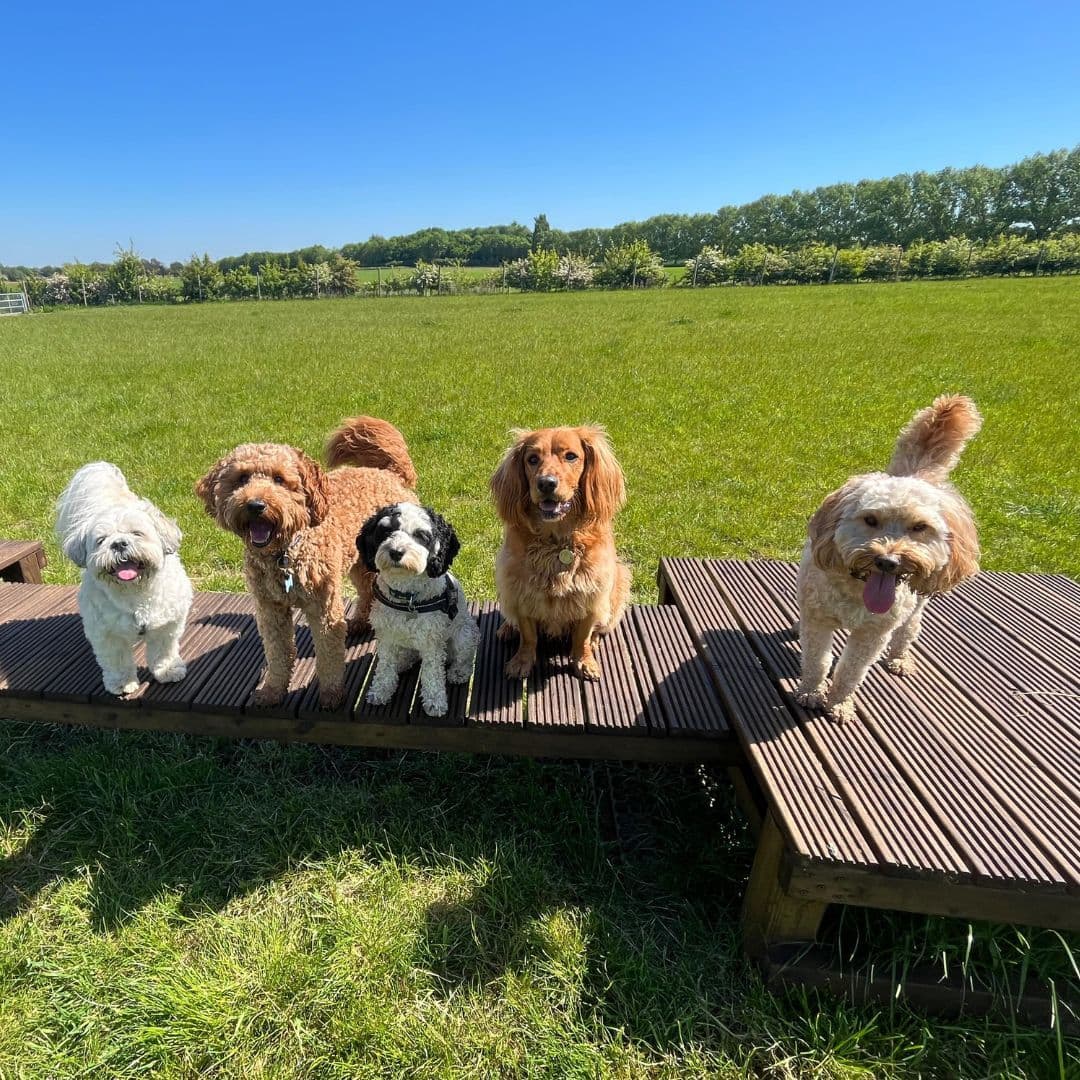
At day care, senior dogs aren't expected to run and play like the youngsters. But they might spend their day pottering around the garden, enjoying a snuffle mat, having a gentle nose-to-nose greeting with a calm friend, or simply resting in the company of others. That quiet companionship has real value.
Routine and structure provide comfort
Senior dogs often find comfort in routine. Knowing what's coming next reduces anxiety and supports a sense of security. Day care provides a consistent daily structure: arrival, settling, gentle activity, enrichment, rest, afternoon activity, collection. For dogs that are starting to experience confusion or cognitive changes, this predictability is genuinely soothing.
Health monitoring catches problems early
Day care staff see your dog regularly and closely. And they notice changes that you, as someone who sees your dog every day, might miss. A subtle limp, weight loss, a new lump, changes in appetite or behaviour. Early detection of health issues is one of the unsung benefits of regular day care for senior dogs.
How we adapt day care for senior dogs
A good day care doesn't treat every dog the same. For seniors, we adapt in several important ways:
We've written separately about what happens at day care if you want to read more.
Gentler groups
Senior dogs are grouped with other calm, gentle dogs. Trust takes time. Often other seniors, but also younger dogs with naturally calm temperaments. The energy level is low, the play is gentle, and no one is chasing anyone around the garden at top speed. If a senior dog prefers to simply be near other dogs rather than interact directly, that's perfectly fine.
More rest time
Older dogs need more sleep, and we build that into their day. It works. Senior dogs typically have longer rest periods, with comfortable, supportive bedding in quiet areas. Some might rest for two hours in the morning and another two in the afternoon, with gentle activity in between. Their day is structured around their energy, not ours.
Adapted enrichment
Enrichment for senior dogs focuses on mental engagement without physical strain:
- Snuffle mats and slow feeders: engaging the nose without requiring physical agility
- Lick mats with soft treats: calming, satisfying, and easy on aging teeth
- Gentle scent work: following treat trails at their own pace
- Soft chew toys: gentle jaw exercise without risk to dental health
- Quiet sensory experiences: different textures to lie on, calming music, gentle massage
Mobility considerations
Many senior dogs have arthritis, joint stiffness, or reduced mobility. We accommodate this by:
- Providing non-slip flooring in all areas
- Avoiding steps or obstacles, ramps instead of stairs
- Keeping walking distances manageable
- Offering orthopaedic bedding for rest periods
- Allowing dogs to move at their own pace without pressure
- Being mindful of cold or damp weather, which can worsen joint stiffness
Medication and dietary management
Many senior dogs are on medication: pain relief, joint supplements, heart medication, or specific dietary requirements. We manage all of this. You provide the medication with clear instructions, and our staff administer it at the right time. We also accommodate special diets, feeding schedules, and any other specific care needs.
When to adjust frequency
As your dog ages, their day care needs may change. Our team always recommends here are some signs it might be time to adjust:
If you're also interested in whether day care is worth it, many of the same ideas apply.
- They seem more tired after day care than they used to: consider reducing from three days to two, or from full days to half days
- They're less interested in activities. We can adapt the programme, but if engagement drops significantly, a quieter alternative might be better
- Mobility is declining noticeably: if getting in and out of the car is becoming distressing, or they're struggling to move around the facility, the physical demands might be outweighing the benefits
- They're becoming confused or anxious in the environment: dogs with advancing cognitive decline may find the day care environment confusing rather than comforting. This can manifest as disorientation, anxiety, or changes in behaviour at day care that don't match their behaviour at home
Adjusting doesn't always mean stopping. Sometimes it means fewer days, shorter sessions, or more one-on-one time with staff rather than group activities.
When to consider stopping
That's a hard conversation, but an important one. There may come a point where day care is no longer in your senior dog's best interest (yes, really). Signs include:
- Consistent signs of stress or anxiety on arrival or during the day
- Significant mobility issues that make transport and movement painful
- Advanced cognitive decline causing confusion and distress in the day care environment
- Medical conditions requiring rest or isolation that day care can't provide
- A clear preference for staying home, some dogs simply reach a point where home comfort is what they want
If you reach this stage, alternatives include a professional dog sitter who visits your home, a gentle solo walk to break up the day, or simply enrichment activities at home combined with your own company on days you're available.
The social benefit goes both ways
Something lovely happens when senior dogs attend day care: they become role models. Watch closely. Calm, experienced older dogs help settle nervous newcomers, model appropriate behaviour for puppies, and bring a steadying presence to the group. Many of our most important "mentor dogs". The ones we introduce nervous new arrivals to. Are wise, gentle seniors who know exactly how to put another dog at ease.
Your senior dog isn't just benefiting from day care. They're contributing to it in a way that younger dogs simply can't.
Common concerns from owners of senior dogs
"My dog can't keep up with the others." They don't need to. Senior dogs are in their own group with adapted activities. Nobody expects them to run laps of the garden. A gentle potter, some sniffing, and a comfortable nap in good company is a perfectly valid, and valuable. Day. Worth every penny.
"My dog has accidents sometimes." That's fine. Incontinence is common in older dogs, and we handle it with zero fuss. We ensure frequent toilet breaks, use waterproof bedding, and clean up without judgement. Your dog won't be made to feel bad, and neither should you.
"My dog takes medication at specific times." We manage medications for many dogs, including time-critical doses. Just provide clear instructions and the medication itself, and we'll take care of it.
"My dog is going deaf/blind." Sensory decline requires adaptation, not exclusion. Start slow. Deaf dogs rely more on visual cues and touch, our staff adjust their communication accordingly. Dogs with visual impairment need a consistent environment without surprises. We keep their area predictable and guide them gently. Many deaf and visually impaired dogs attend day care happily with these adjustments in place.
"Is it worth it if they just sleep all day?" Even a dog that sleeps for most of the day benefits from the sensory stimulation of a different environment, the companionship of staff and other calm dogs, and the gentle enrichment sessions between naps. A dog that sleeps at home alone isn't getting any of that. Quality of rest matters as much as quantity.
Key takeaways
- Senior dogs benefit from day care through mental stimulation, gentle socialisation, routine, and health monitoring
- Good day care adapts for seniors: calmer groups, more rest, adapted enrichment, mobility support, and medication management
- Frequency may need adjusting as your dog ages: fewer days, shorter sessions, or a modified programme
- There may come a point where day care isn't the right fit anymore, and that's okay
- Senior dogs contribute enormously to the day care environment as calm, steady role models
Talk to us about your senior dog
If you have an older dog and you're wondering whether day care could benefit them, get in touch. We'll have an honest conversation about your dog's needs, health, and temperament, and we'll tell you straight whether our day care is the right fit or whether something else would suit them better. Every senior dog deserves to live their later years with purpose and joy.
Written by the Wagtails team: qualified dog professionals based in Rettendon, Essex. We run 5-star licensed day care and three private dog parks, and we work with a network of trusted trainers, walkers, and groomers across the county.