Moving house is hard on dogs too
For most of us, moving house is one of the most stressful things we do. Boxes everywhere, routines disrupted, unfamiliar environments, strangers coming and going, and if it is stressful for us, imagine how it feels for your dog. Dogs thrive on routine and familiarity. They notice when the furniture moves, they sense your stress, and they absolutely know when something big is happening.
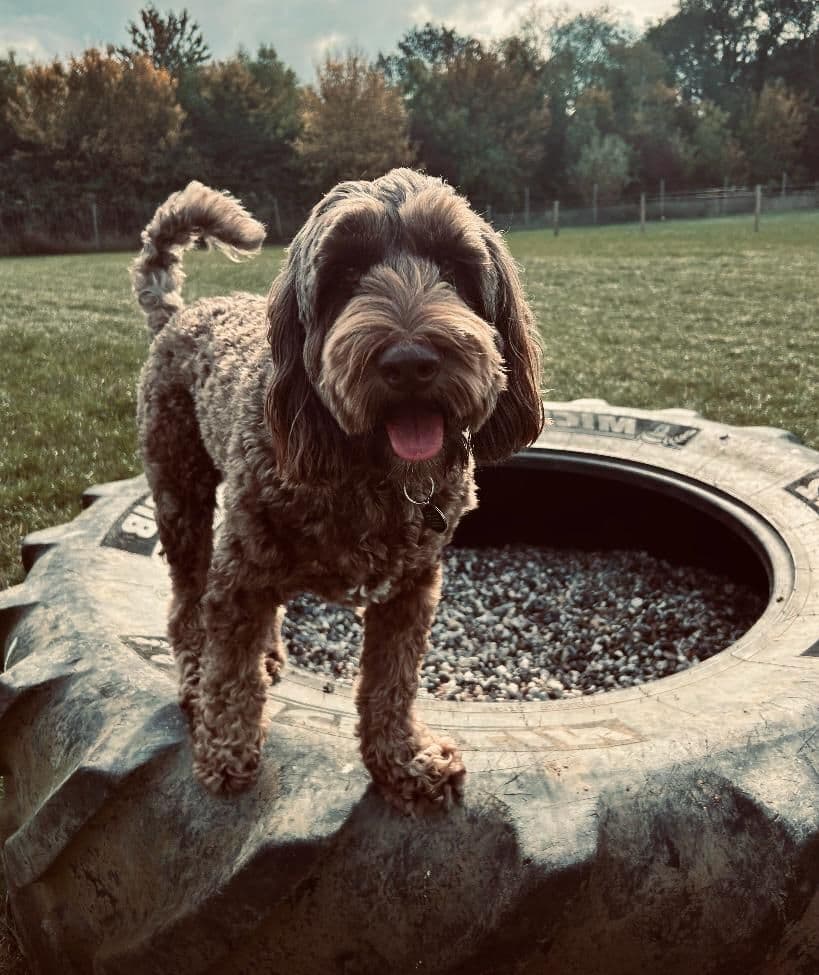
The good news is that with some planning, you can make the transition much smoother for your dog. Most dogs settle into a new home within a few weeks if you handle the move thoughtfully. Here is how to manage every stage, from the weeks before packing to the settling-in period at your new place.
Weeks before the move: preparation
The preparation phase is when your dog starts to notice changes. Boxes appear, rooms get emptied and the house smells different. Your stress levels rise. All of this registers with your dog, even if they cannot understand why it is happening.
Keep routines consistent
As much as possible, maintain your dog's daily routine during the lead-up to the move. Same walk times, same feeding times, same bedtime. Routine is your dog's anchor, and keeping it steady during a chaotic period helps them feel secure. If you normally walk at 7am and 5pm, keep doing that even when you are knee-deep in bubble wrap.
Introduce packing gradually
If your dog is anxious, introduce boxes and packing materials a few days before you start packing in earnest. Let them sniff the boxes. Place familiar items near the boxes. This reduces the shock of suddenly living in a cardboard warehouse.
Practice crate or room settling
On moving day, your dog will need to be contained safely. Either in a crate, a car, or a designated room. If your dog is not used to being crated or confined, start practising now. Feed meals in the crate. Give chews and Kongs in the designated room. Make it a positive space before it becomes a necessity.
Update microchip details
You are legally required to keep your dog's microchip information up to date. Contact your microchip database provider and update your address as soon as you know your new details. Do this before the move if possible, if your dog escapes during the transition, you want the chip to point to the right address.
Research your new area
Before you move, find out where the nearest vet is, where the good walking routes are, and whether there are any secure dog parks or enclosed fields nearby. At Wagtails, we think having these things sorted in advance means you can hit the ground running in your new neighbourhood without the stress of figuring it all out while unpacking.
The packing phase
Packing is when stress levels peak for both you and your dog. The house looks and smells different every day. Rooms your dog used to relax in are now empty or full of boxes. Their favourite spots may have been dismantled.
Keep one room normal
If possible, pack one room at a time and leave your dog's primary room until last. Their bed, water bowl, favourite toys, and your scent should remain in one stable space for as long as possible. This gives them a retreat from the chaos.
Pack their bag last
Prepare a bag with everything your dog needs for moving day and the first night: food, water bowl, lead, favourite toy, bed or blanket, treats, medication (if applicable), and poo bags. This should be the last thing packed and the first thing unpacked.
Watch for stress signs
Panting, pacing, refusing food, following you constantly, excessive licking, hiding, or changes in toileting habits are all signs your dog is stressed. Respond with calm reassurance, stick to routines, and give them extra attention without overdoing it. A frozen Kong or lick mat can help redirect anxious energy.
Moving day
Moving day is the hardest part for everyone. Doors are open, sctrangers are carrying furniture. There is noise, confusion, and a real risk of your dog escaping through an open door or gate.
Option 1: Day care or a trusted friend
The best option is to get your dog out of the house entirely on moving day. If you use doggy day care, book them in for a full day. Alternatively, ask a trusted friend or family member to look after your dog. This removes the risk of escape, reduces their stress, and lets you focus on the move without worrying about where the dog is.
Option 2: A secure room
If your dog cannot go elsewhere, designate one room as the dog room. Put a sign on the door saying "Dog inside: do not open." Set up their bed, water, a Kong, and a radio or calming music. Check on them regularly but keep them out of the main moving activity.
Transport safely
When it is time to move your dog to the new house, transport them in a crate in the car if possible. If they do not travel in a crate, use a harness attached to the seatbelt. Never let your dog loose in the car during a stressful move. They may be more anxious than usual and could be unpredictable.
The first night
The first night in a new house is strange for everyone. Your dog does not understand that this is now home. Everything smells different. The sounds are different. The layout is unfamiliar. They may be restless, vocal, or unsettled.
Set up their space first
Before you do anything else at the new house, set up your dog's space (not as hard as it sounds). Their bed, bowls, and a few familiar items should go in the room where they will sleep. The familiar scents will help them feel safer. If possible, do not wash their bedding before the move, the familiar smell is comforting.
Stick to routine
Feed at the usual time. Walk at the usual time. Settle down for bed at the usual time. Even though everything else has changed, the routine signals to your dog that the important things are still the same.
Stay calm
Your dog reads your energy. If you are stressed and frantic (which is entirely understandable on moving day), your dog will mirror that. Take a breath. Sit with your dog. Give them a chew or a Kong. Your calm presence is the most reassuring thing you can offer.
The settling-in period
Most dogs adjust to a new home within two to four weeks, though some take longer. That matters. During this period, be patient and give your dog time to explore and feel safe. No exceptions.
Explore the house together
Let your dog explore the new house room by room, with you present. Do not force them into rooms they seem nervous about. Let them go at their own pace. Scatter treats in different rooms to build positive associations.
Secure the garden
Before letting your dog into the garden off-lead, check every fence, gate, and boundary. Keep it simple. Dogs in new environments are more likely to try to escape. They do not yet understand the boundaries. Walk the perimeter with your dog on a lead first. Check for gaps, low fences, or broken panels. Many dog escapes happen in the first week at a new home because the garden was not properly checked.
Local walks on-lead first
Walk your new neighbourhood on-lead for the first week or two, even if your dog usually goes off-lead. They do not know the area yet, and their recall may be less reliable in an unfamiliar environment. Our enclosed dog fields are perfect during this transition. Your dog gets proper off-lead exercise in a secure space while you build confidence in the new area.
Be patient with regression
Some dogs regress temporarily after a move. A previously house-trained dog may have accidents. A confident dog may become clingy. A settled dog may bark more. That's normal and usually passes within a few weeks. Respond with patience, not frustration.
Updating registrations and records
- Microchip: Update your address with the microchip database. This is a legal requirement
- Vet: Register with a new vet near your new home. Request your records be transferred from your previous practice
- Insurance: Update your address with your pet insurance provider
- Dog licence/tag: Update the address on your dog's ID tag. Your dog must wear a tag with your name and address by law
- Day care and walkers: If you are moving within Essex, check if your current day care or dog walker can still serve your new address
How day care helps during a move
Moving day is the obvious one. Booking your dog into day care on moving day means they are safe, supervised, exercised, and out of the way while you manage the chaos. But day care also helps during the wider transition. The consistency of their day care routine provides stability when everything else is changing. Same staff, same friends, same structure. Even though home looks different, day care is the same.
If you are moving to a new area and your dog is unsettled, day care provides social interaction and stimulation that helps them adjust. A tired, happy dog who has had a great day at day care settles into a new home much more easily than a bored, anxious dog who has been left alone in an unfamiliar house all day.
Key takeaways
- Maintain routines as much as possible throughout the entire moving process
- Update your microchip and ID tag before or immediately after the move
- On moving day, get your dog out of the house, day care, a friend, or a secure room
- Set up your dog's space first at the new house, with familiar bedding and items
- Check garden boundaries thoroughly before letting your dog off-lead
- Walk the new area on-lead for the first week or two
- Be patient with temporary regression, it usually passes within a few weeks
We are here to help
If you are moving within Essex and need day care support during your transition, or if you are new to the area and looking for day care, walkers, groomers, or trainers, we can help. From what we've seen working with dogs every day, our network covers the whole of Essex, and we know the best professionals in every area. Get in touch. We would love to welcome you and your dog to the neighbourhood.