Last reviewed: May 2026
Day care is more than a babysitting service
When most people think about doggy day care, they picture a practical solution to a practical problem: you need to go to work, and your dog cannot come with you. That is a perfectly valid reason to use day care, and for many families it is the starting point. But the benefits of a well-run day care extend far beyond keeping your dog occupied while you are out of the house.

From socialisation and mental health to behaviour improvements and even your own wellbeing, here are seven benefits of doggy day care that often get overlooked.
1. Consistent, appropriate socialisation
Socialisation is not a box you tick during puppyhood and then forget about. And dogs are social animals, and they need regular, positive interactions with other dogs throughout their lives to maintain their social skills. Without it, even previously well-socialised dogs can become awkward, reactive, or fearful around other dogs over time.
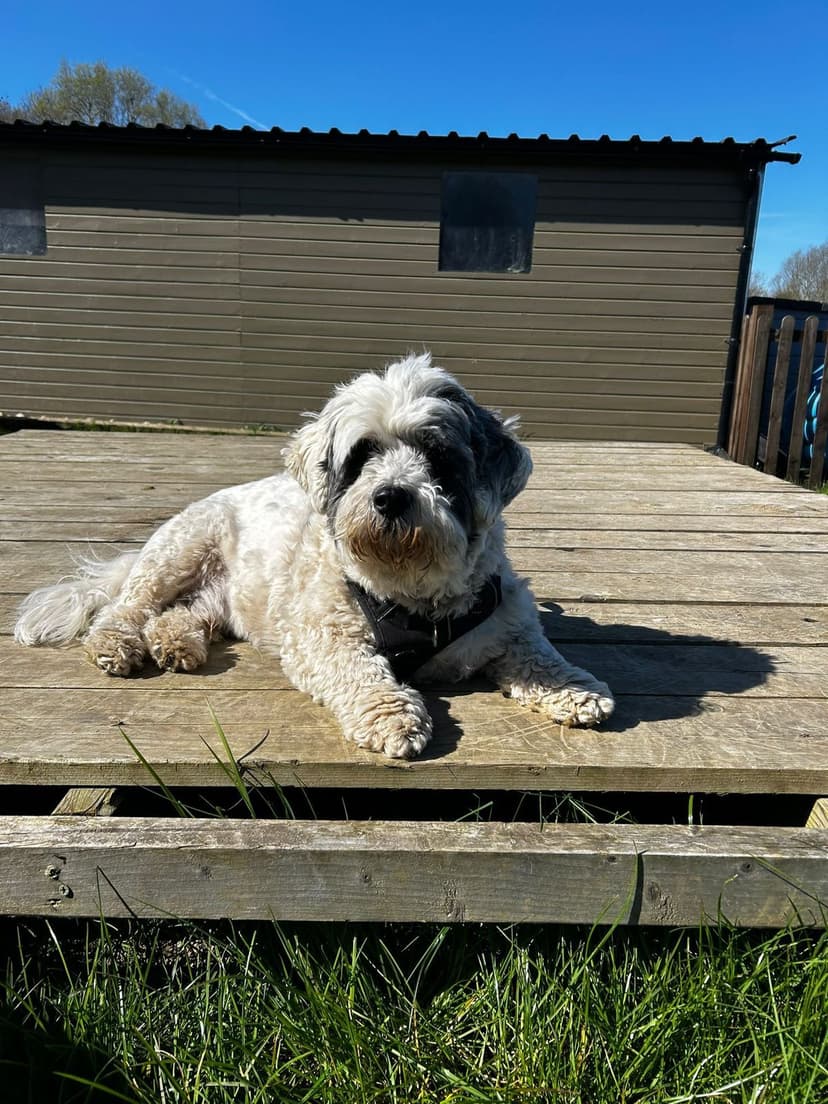
A cockapoo called Mabel took three trial sessions before she settled into a group, but now she practically drags her owner through the door every morning.
The challenge for most pet owners is finding safe, appropriate socialisation opportunities. Trust takes time. Dog parks are unpredictable. Arranging playdates with friends' dogs requires coordination and compatible personalities. Walking groups can be hit-and-miss.
A good day care solves this problem. But your dog gets regular, supervised interaction with dogs of compatible size, temperament, and play style. Staff who understand canine body language manage the groups, step in when play gets too intense, and ensure every dog has a positive experience. This consistency is incredibly valuable. Your dog learns how to greet politely, how to read other dogs' signals, how to share space, and how to disengage from play when they have had enough.
Over weeks and months, this regular socialisation produces a dog that is confident and relaxed around other dogs, which makes every other aspect of dog ownership easier, from vet visits to walks in the park to having guests over with their own dogs.
2. A real solution for separation anxiety
Separation anxiety is one of the most distressing conditions for both dogs and their owners. And dogs with separation anxiety can bark, howl, destroy furniture, toilet indoors, and work themselves into genuine states of panic when left alone. It is not naughtiness. It is a welfare issue, and it is far more common than many people realise.
Our guide to what happens at day care covers some related ground.
Day care does not cure separation anxiety on its own, but it can be a hugely effective part of a management strategy. Instead of being left alone in an empty house for eight or more hours, your dog spends the day in company, with other dogs and with people. The social environment, the stimulation, and the routine all help to reduce the distress that isolation triggers.
For some dogs, regular day care attendance gradually reduces their anxiety about being separated from their owners, because they learn that being away from home is associated with good things: play, friends, enrichment, and attention. We see this every week in our day care: dogs who this positive association can, over time, help even dogs with moderate separation anxiety become more settled.
If your dog has severe separation anxiety, day care combined with support from a qualified behaviourist is often the most effective approach. The day care addresses the immediate welfare concern (the dog is not left alone and distressed), while the behaviourist works on the underlying anxiety.
3. Structure and routine that improves behaviour
Dogs thrive on predictability. They feel safest when they know what comes next. A well-run day care provides a consistent daily routine: arrival, settling in, play, enrichment, rest, more play, wind-down, collection. This structure helps dogs feel secure and reduces anxiety-driven behaviours.
You might also find our post on whether day care is worth it helpful.
But the behavioural benefits go further than that. At day care, your dog learns to share space, wait their turn, follow group expectations, and settle when it is time to rest. These are life skills that transfer directly to behaviour at home. Many owners report that their dog is calmer, more settled, and better behaved on days they attend day care, and that these improvements persist over time.
The enforced rest periods in a good day care are particularly valuable. Start slow. Many dogs, especially younger ones, do not know how to switch off. Left to their own devices, they will play until they are over-stimulated and exhausted. Day care teaches them that there are times for activity and times for rest, a lesson that makes them easier to live with at home. Even on rainy days.
4. Mental stimulation you cannot always provide
You love your dog, and you do your best. Routine helps. But the reality is that most pet dogs spend a lot of their day with not much to do. Even with walks, toys, and attention, the average pet dog's day involves a significant amount of downtime. That's fine in moderation, but dogs that are chronically under-stimulated often develop problem behaviours: excessive barking, destructive chewing, digging, restlessness, and attention-seeking.
Day care fills the stimulation gap. A good provider offers a mix of free play, structured activities, enrichment exercises like puzzle feeders and scent work, and social interaction. This variety engages your dog's brain in ways that a standard walk and a Kong simply cannot match.
The social aspect is a form of stimulation in itself. Navigating interactions with other dogs, reading body language, negotiating play, and adapting to different personalities is mentally demanding work. It is the canine equivalent of a busy day at the office, in the best possible way.
Dogs that attend day care regularly tend to be more mentally content, which translates to calmer, more relaxed behaviour at home. They have used their brains, satisfied their need for social interaction, and are genuinely tired rather than just bored.
5. Physical exercise that actually meets their needs
Be honest: how many days a week does your dog get the level of exercise they truly need? For many working breeds, the answer is not enough. A 30-minute morning walk and a quick garden break in the evening do not come close to meeting the physical needs of a young Labrador, a working Cocker Spaniel, or a Border Collie.
At day care, your dog spends the day in a physically active environment. They run, play, chase, wrestle (appropriately), and move in ways that a lead walk cannot provide. The variety of movement, the bursts of high-energy play followed by rest, and the interaction with other dogs all contribute to genuine, thorough physical exercise.
That's not just about tiring your dog out (although that is a welcome side effect). Proper physical exercise supports cardiovascular health, maintains healthy weight, strengthens muscles and joints, and improves overall fitness. For dogs that are prone to weight gain, regular day care can be a genuinely effective part of a weight management plan.
There is an important caveat here: a good day care balances exercise with rest. Dogs that are run ragged all day without breaks are not getting healthy exercise. They are being over-worked, which leads to exhaustion, stress, and increased risk of injury. The best providers build rest periods into the routine and manage activity levels carefully.
6. Early detection of health issues
That's a benefit that most people never think about, but it is genuinely important. Day care staff see your dog regularly, often several times a week. They handle your dog, watch them move, observe their behaviour, and know their normal patterns. What that means is they are often the first to notice when something is not right.
A slight limp that you might not spot at home becomes obvious when staff watch your dog running and playing. A change in energy level, appetite, or social behaviour can indicate pain, illness, or emotional distress. Lumps, skin changes, ear problems, and dental issues can be spotted during handling and grooming checks.
Good day care providers communicate these observations to you promptly, which means you can seek veterinary attention early, often before a minor issue becomes a serious one. That matters. We've been running licensed day care in Rettendon for years now, and this early detection can genuinely save lives, especially for conditions like cancer, where early diagnosis dramatically improves outcomes.
At Wagtails Day Care, our staff are trained to observe and report any changes in your dog's condition. It is not a substitute for regular vet check-ups, but it is an extra pair of eyes on your dog's health that many owners find genuinely helpful.
7. It is good for you too
This one is easy to dismiss, but it matters. Dog ownership is wonderful, but it also comes with a significant mental load. The guilt of leaving your dog alone. The worry about whether they are getting enough exercise, stimulation, and socialisation. The stress of managing a dog with behaviour issues that stem from boredom or insufficient exercise.
Knowing your dog is having a good day, that they are safe, stimulated, exercised, and happy, takes a genuine weight off your shoulders. You can focus on your work without guilt. You can come home to a settled, content dog rather than a wired, frustrated one that desperately needs your attention the moment you walk through the door.
Many day care clients tell us that day care has transformed not just their dog's quality of life but their own. They enjoy their time with their dog more because neither of them is stressed or frustrated. The relationship between owner and dog improves when both parties are having their needs met.
There is also the practical benefit of flexibility. Day care gives you back time that you would otherwise spend exercising, stimulating, and managing your dog's needs. That time can go towards work, family, errands, or simply rest. You are not a worse dog owner for valuing your own time and wellbeing. You are a more sustainable one.
Key takeaways
- Day care provides consistent, managed socialisation that keeps your dog's social skills sharp
- It is one of the most effective tools for managing separation anxiety
- The daily routine and structure of day care improves behaviour at home
- Mental stimulation from social interaction and enrichment activities reduces boredom-related problems
- Physical exercise at day care often exceeds what most owners can provide on their own
- Regular staff observation means health issues are spotted early
- Day care improves your quality of life and your relationship with your dog
See the difference for yourself
At Wagtails, we are a family-run doggy day care in Essex with small groups, qualified staff, and a genuine commitment to every dog's happiness. We also run dedicated puppy day care sessions for younger dogs with different needs. Not overnight, though.
If you have been thinking about day care for your dog, get in touch to arrange a visit and meet the team. We will show you exactly how your dog's day would look, answer every question you have, and help you decide if day care is right for your family.
Written by the Wagtails team: qualified dog professionals based in Rettendon, Essex. We run 5-star licensed day care and three private dog parks, and we work with a network of trusted trainers, walkers, and groomers across the county.